Moon phase calendar
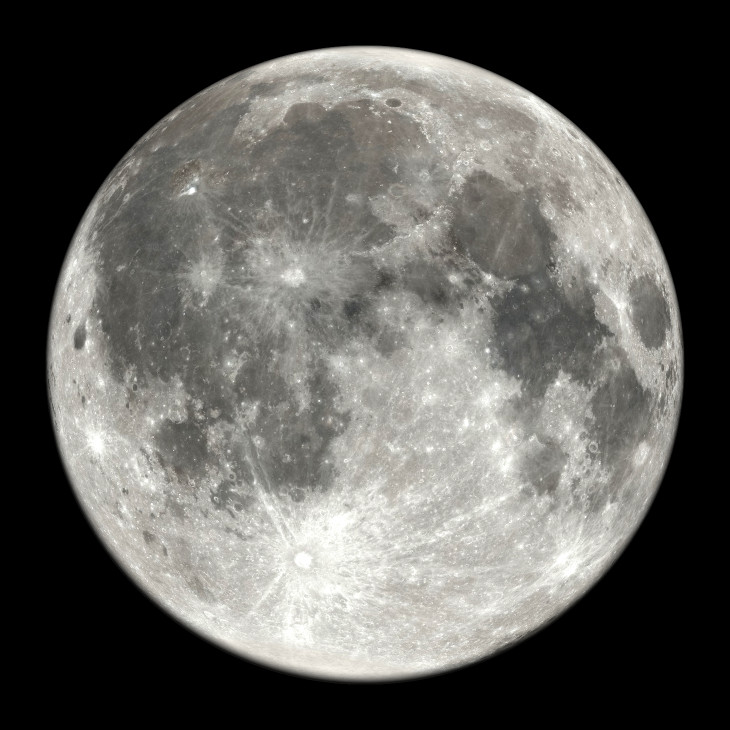
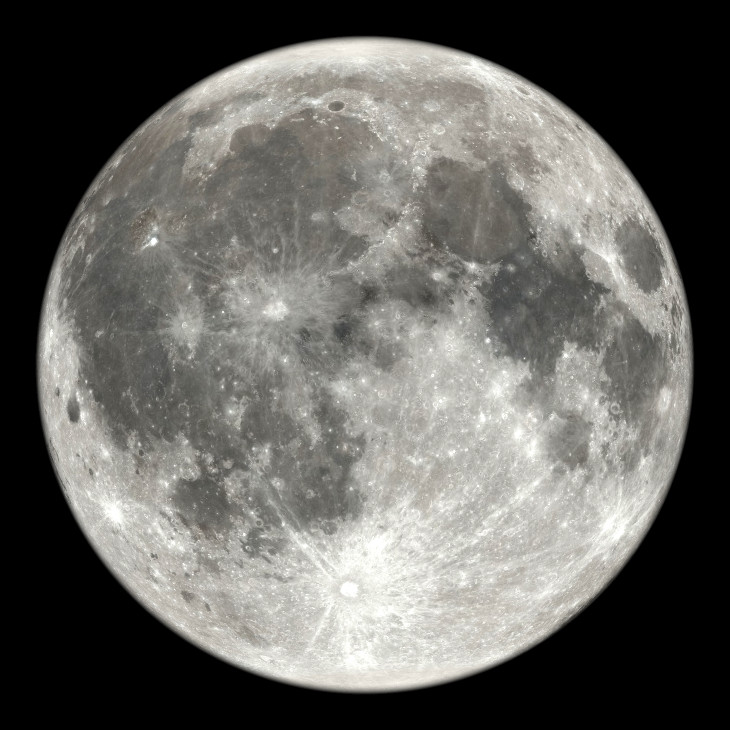
This month has two Full Moons: December 1 and December 31.
New YorkUnited States
This month has two Full Moons: December 1 and December 31.
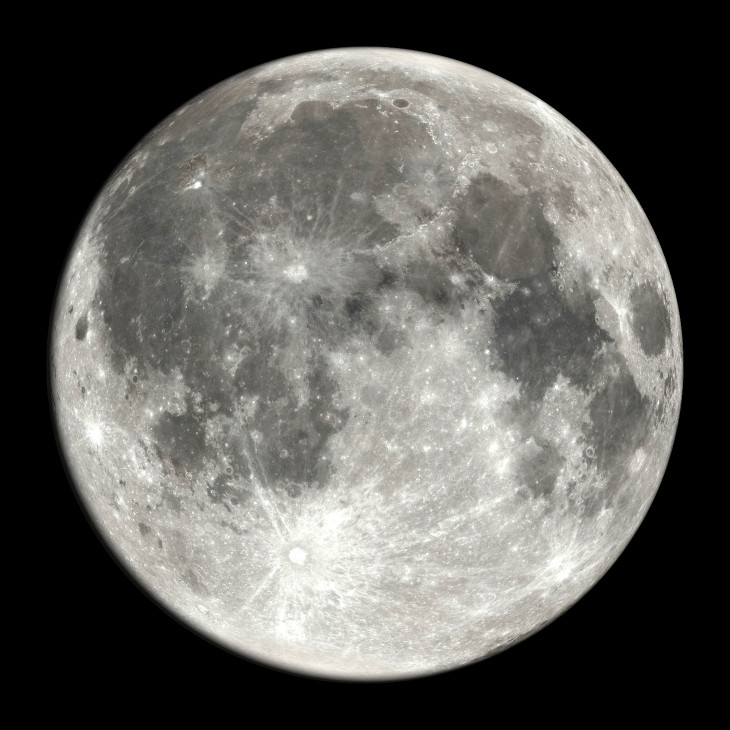
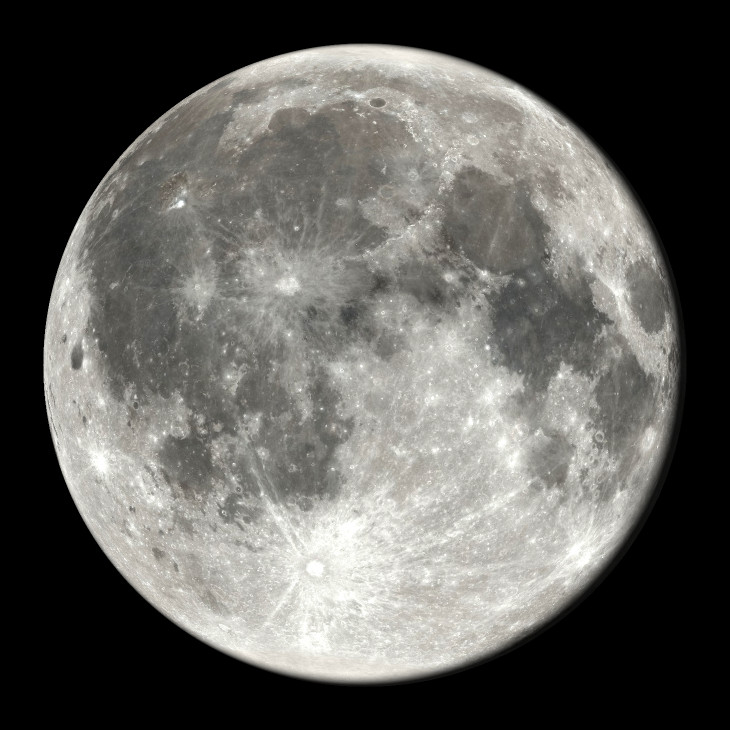
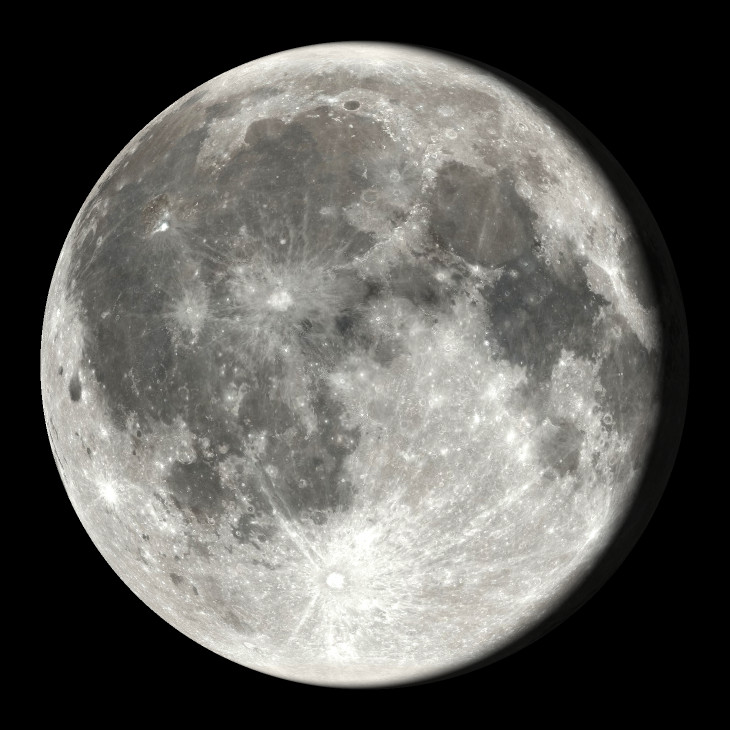
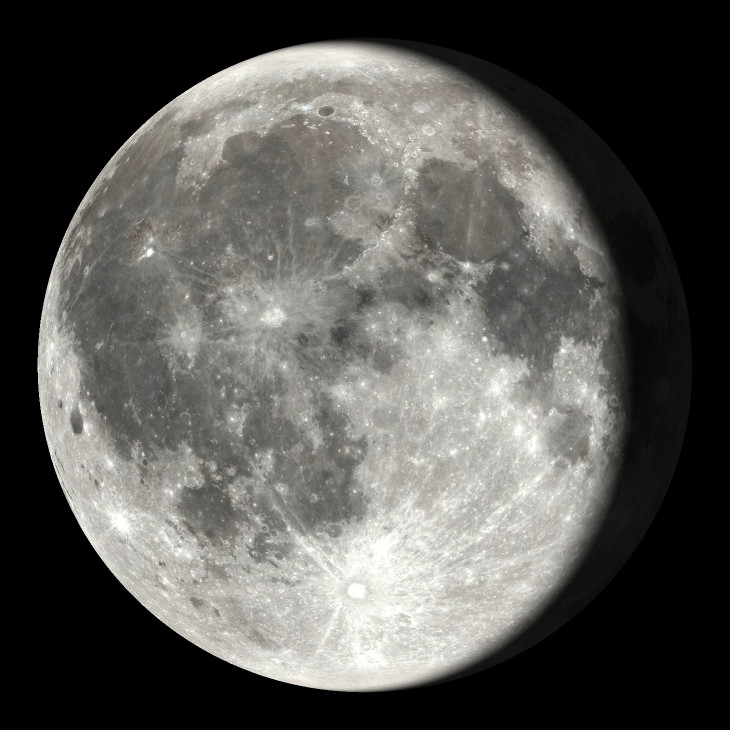
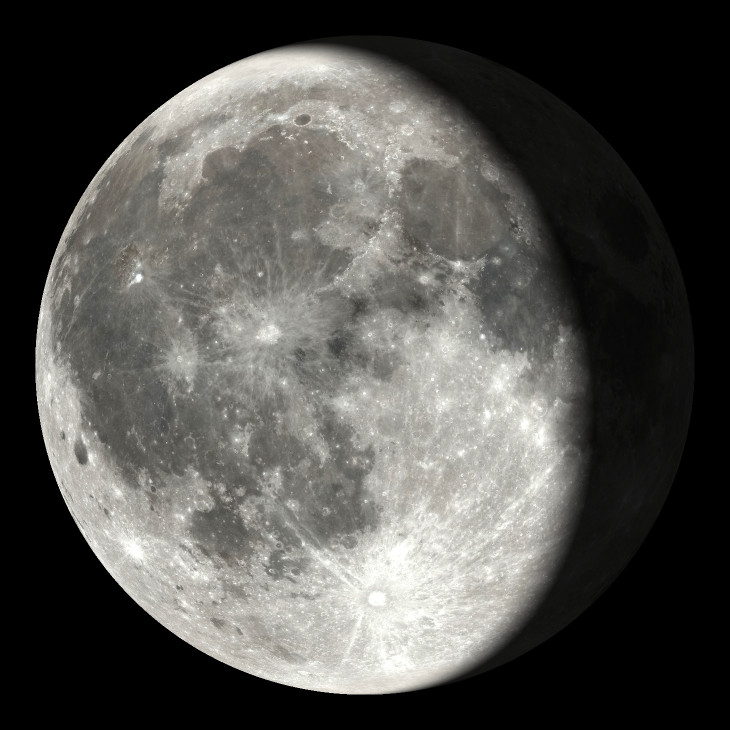
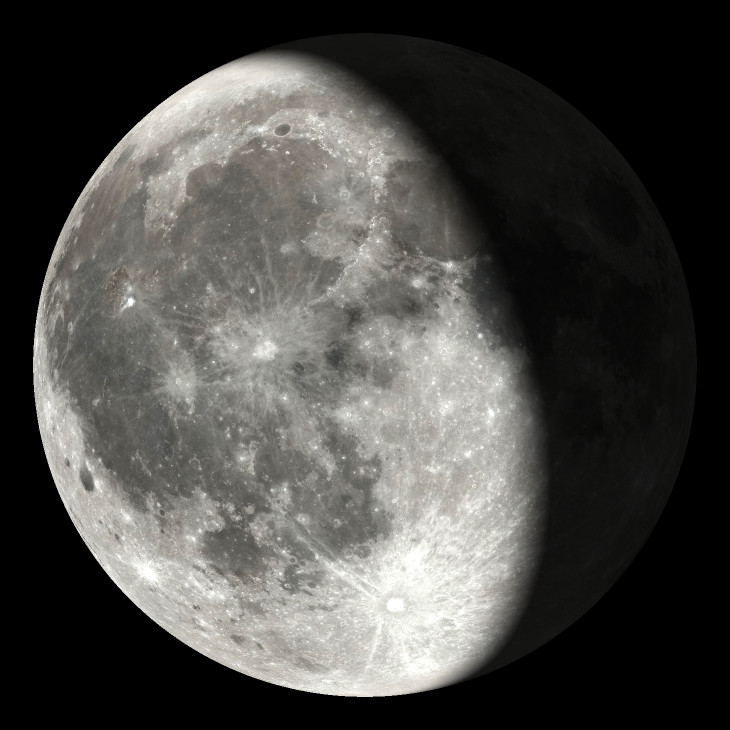
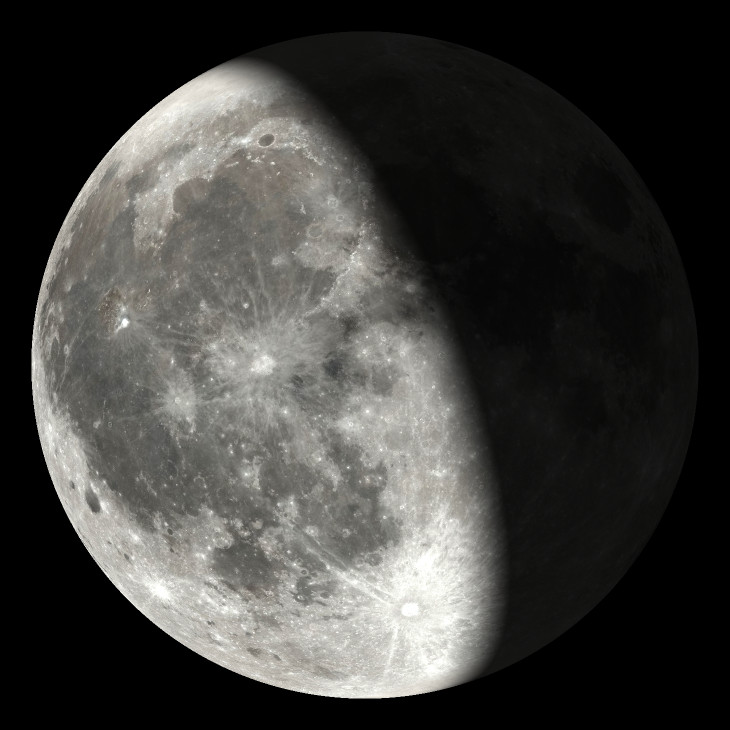
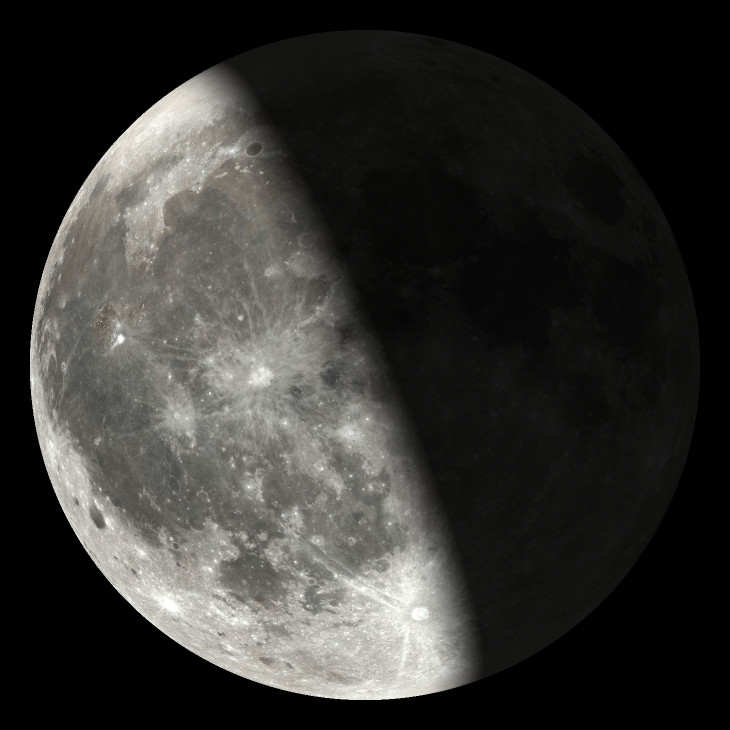
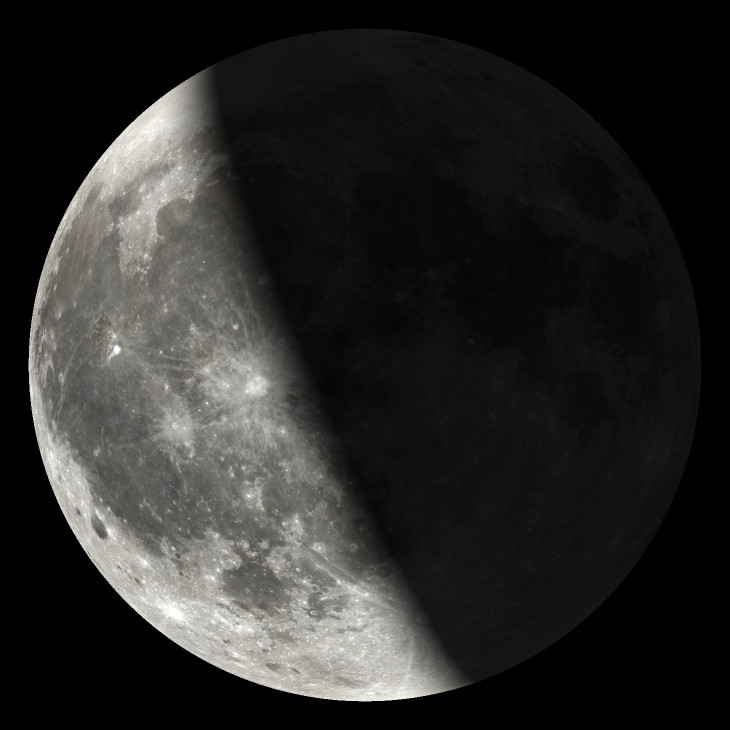
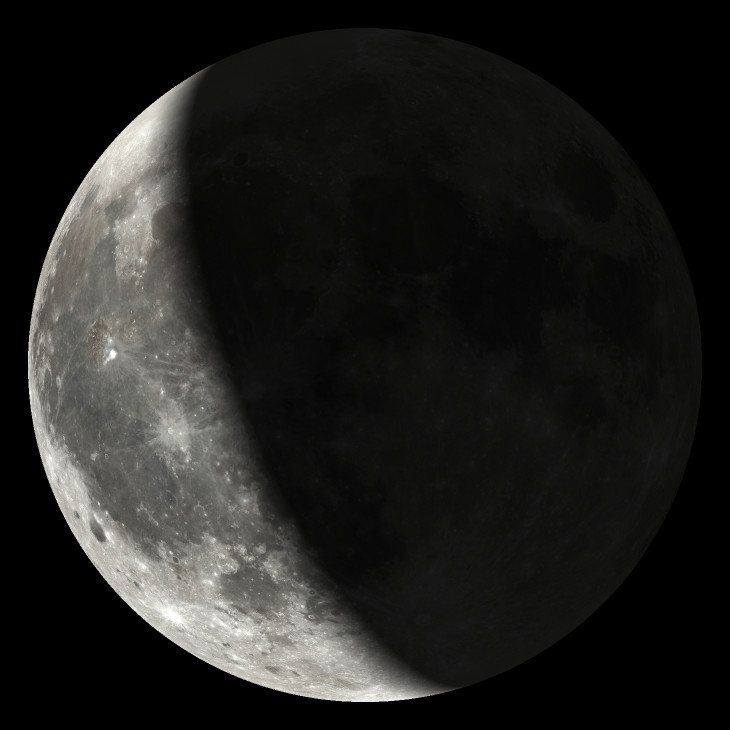
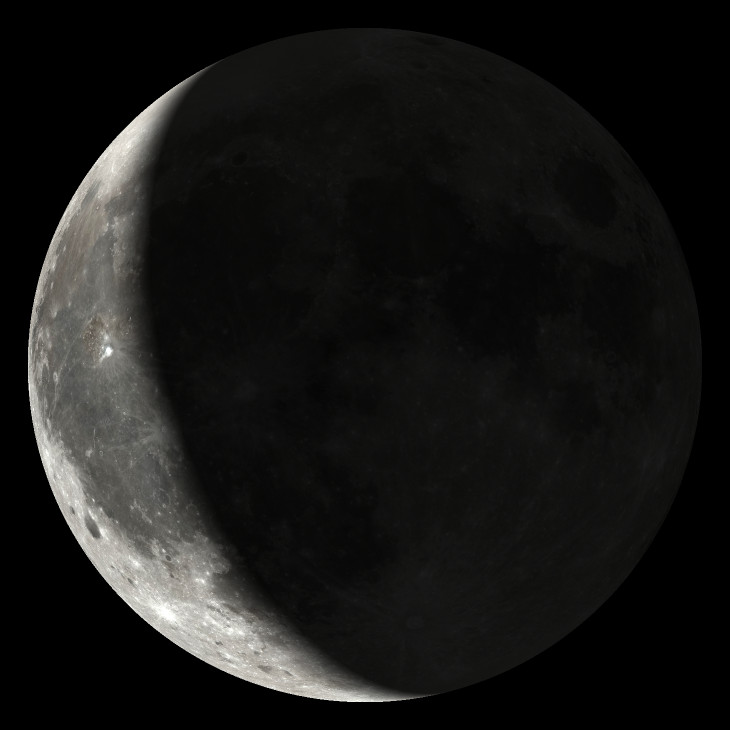
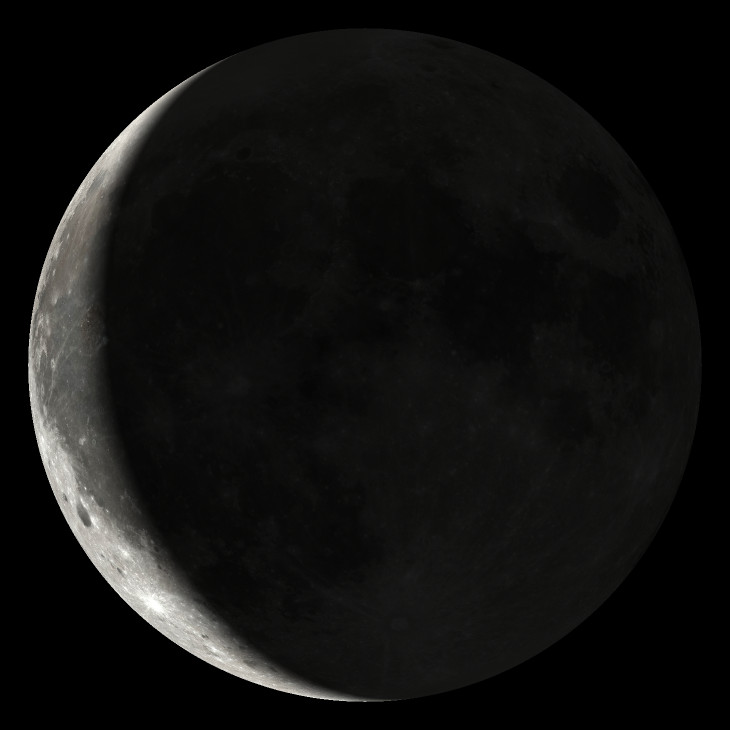
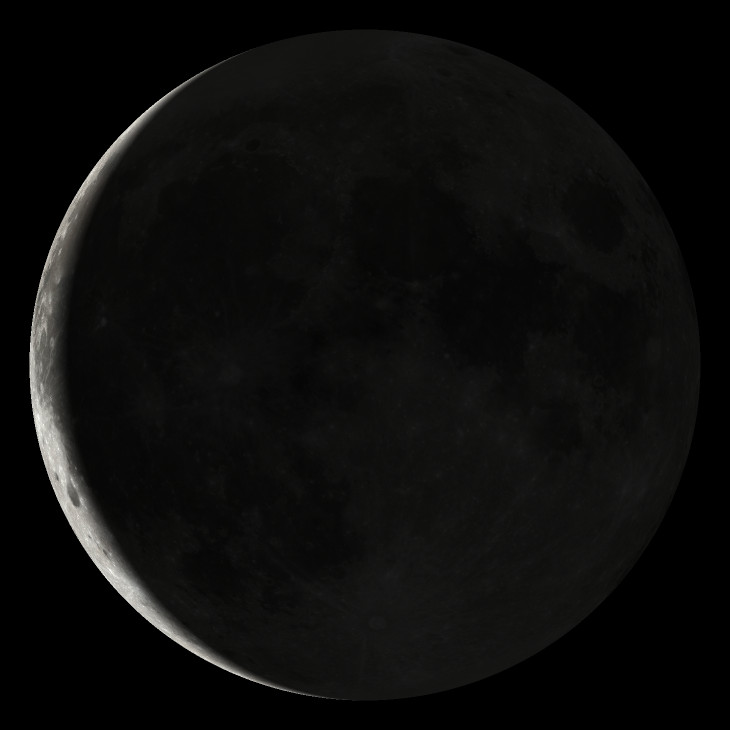
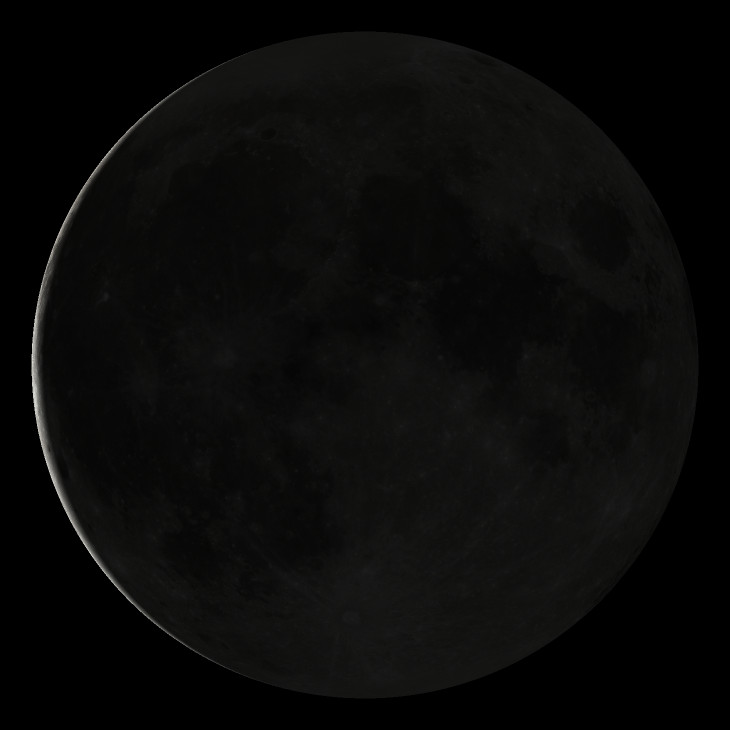
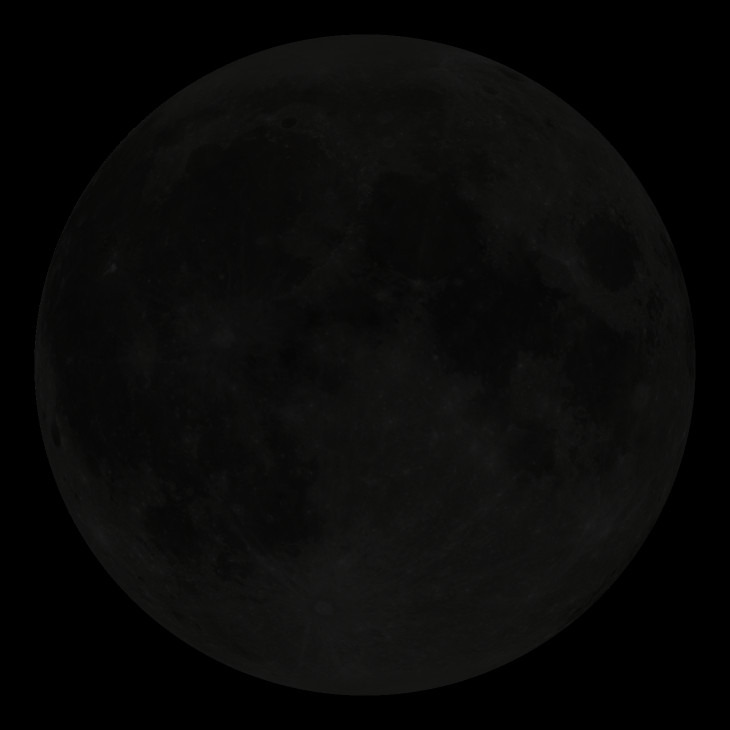
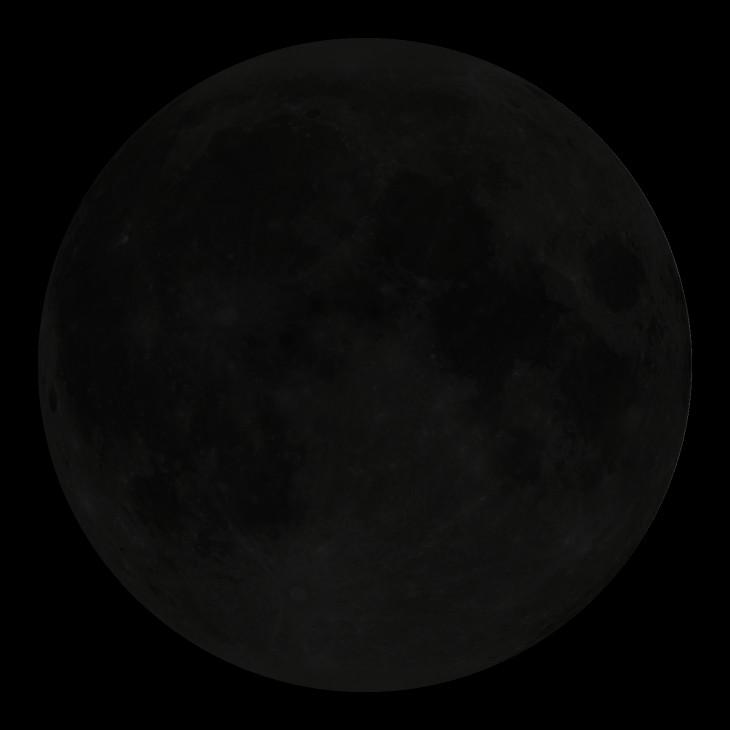
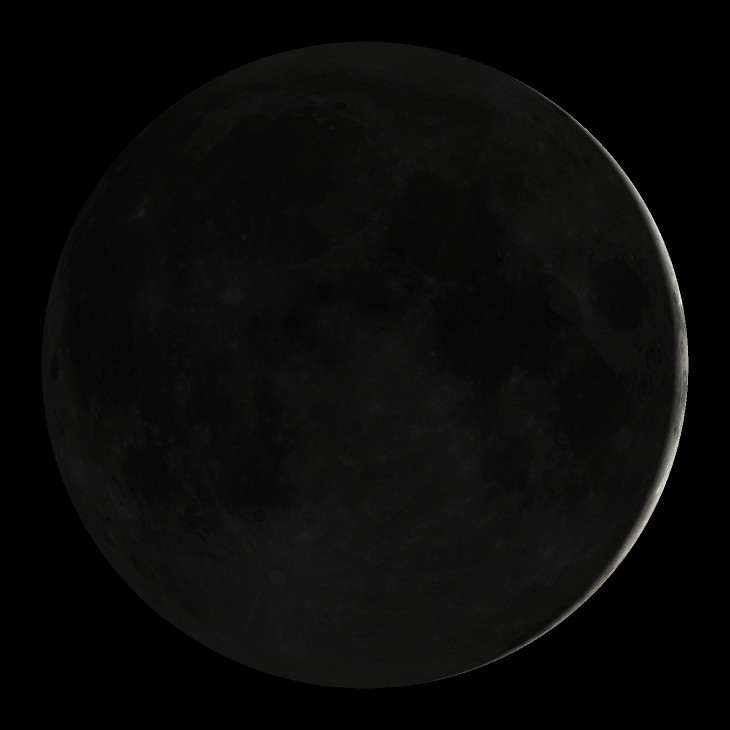
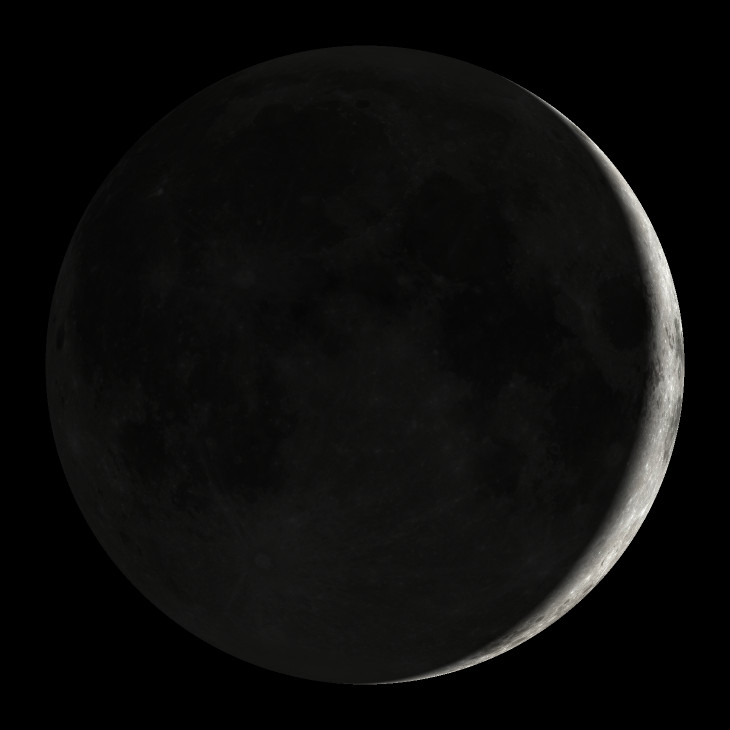
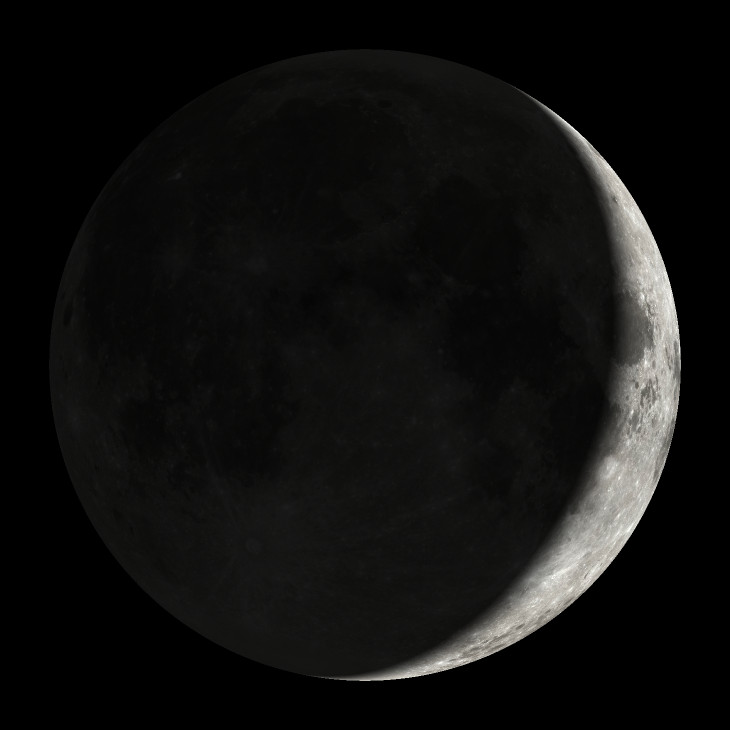
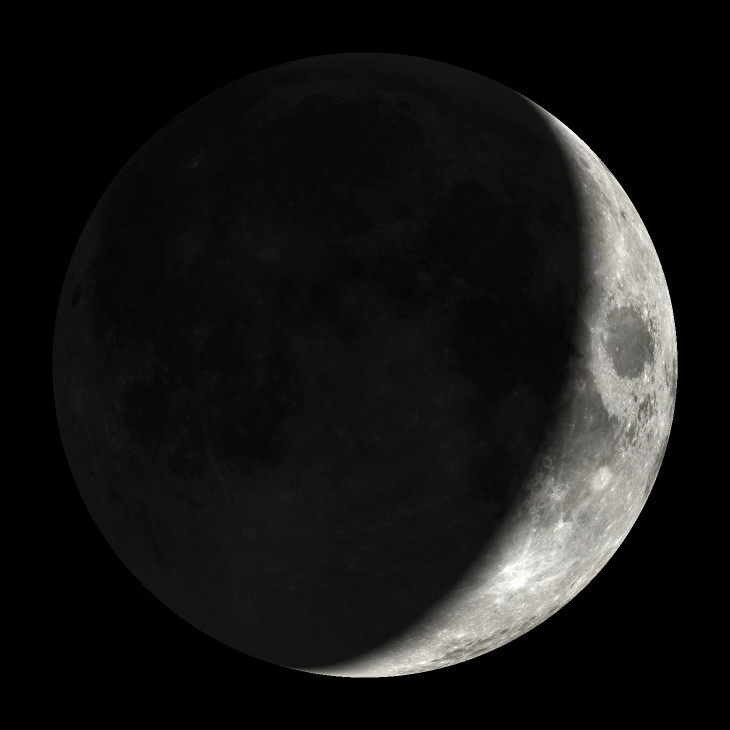
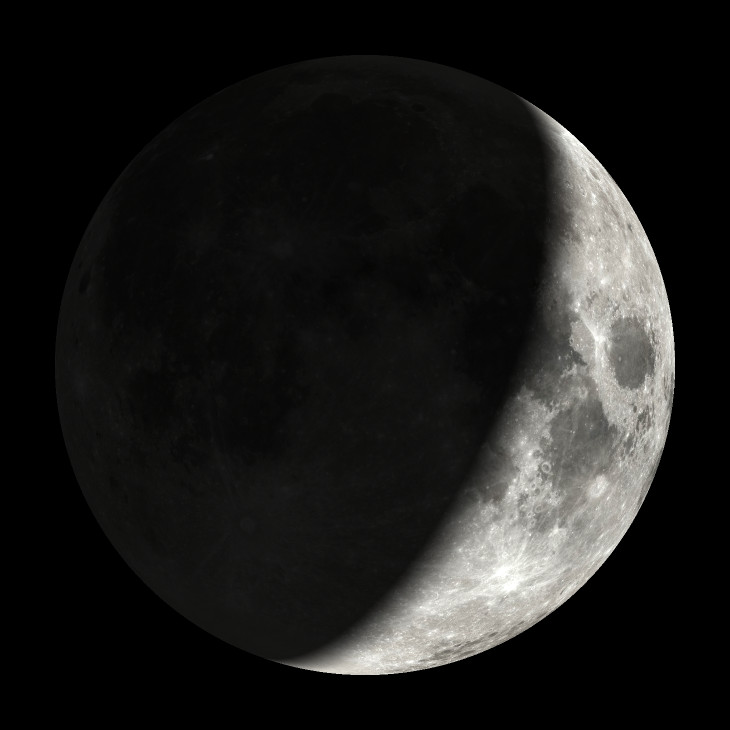
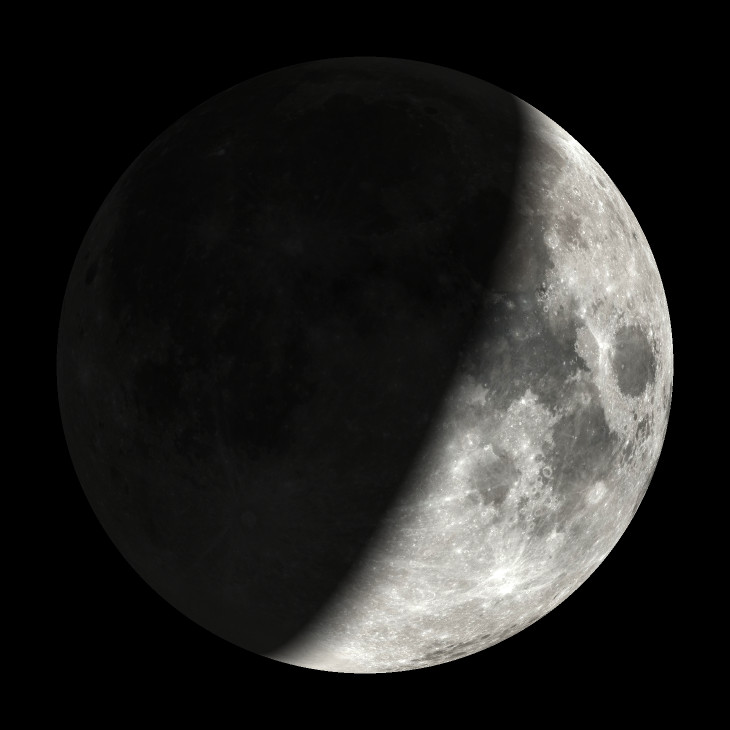
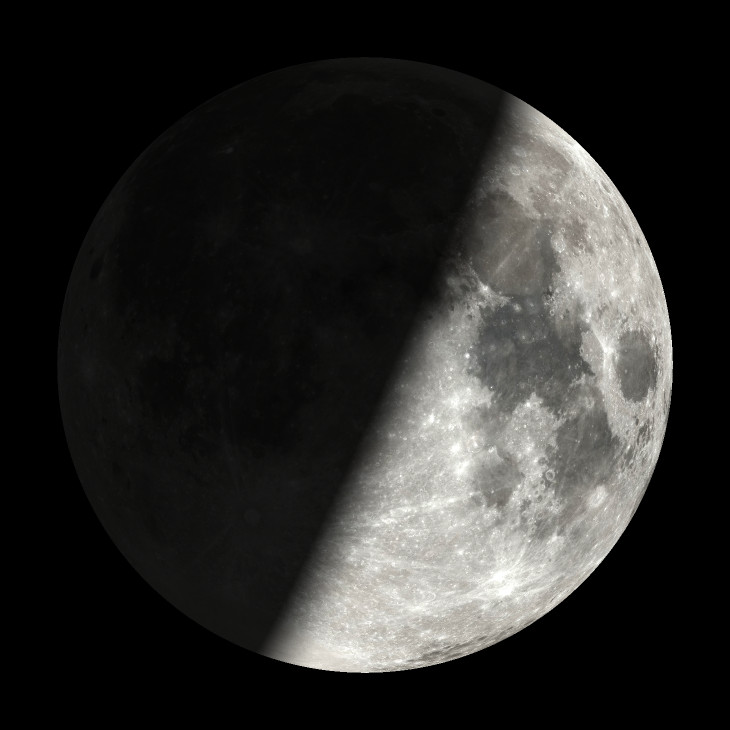
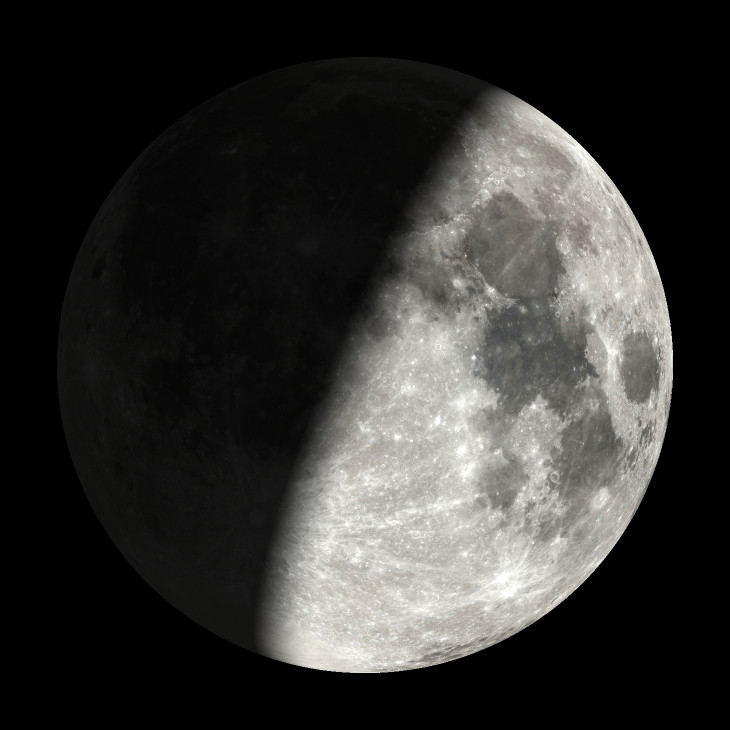
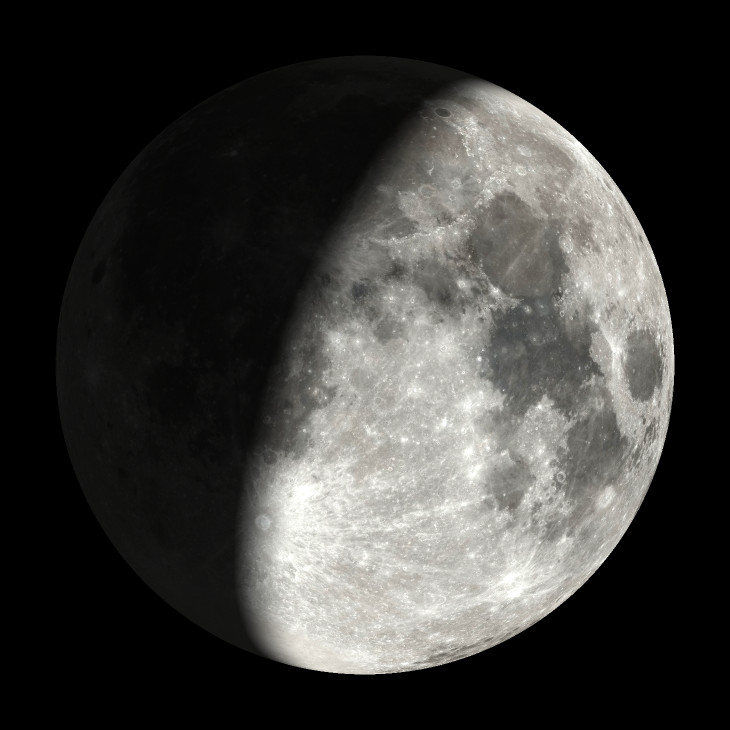
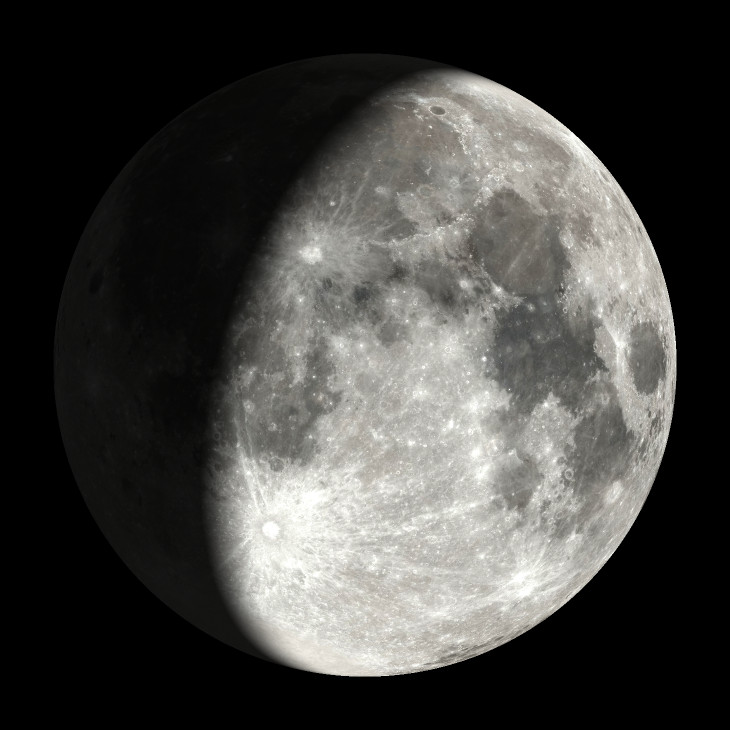
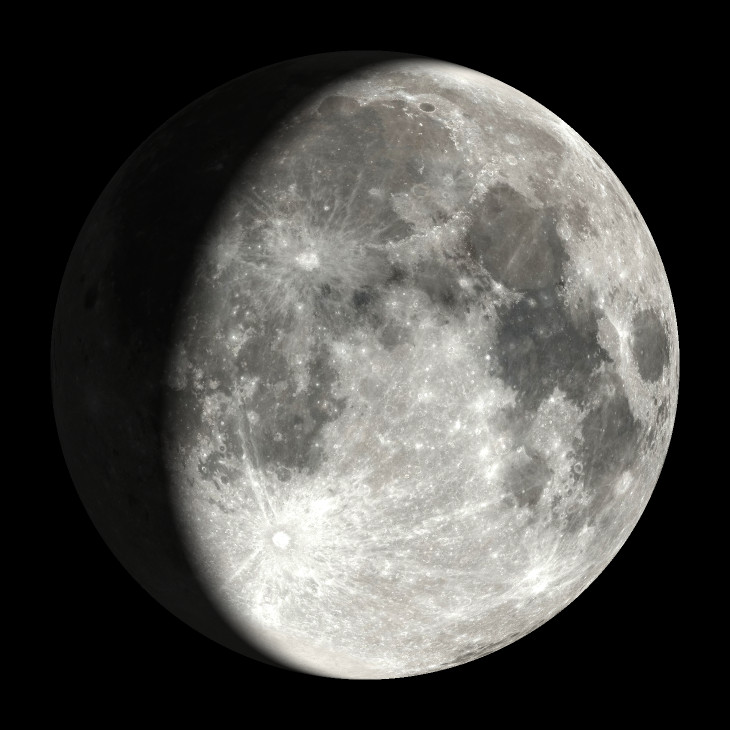
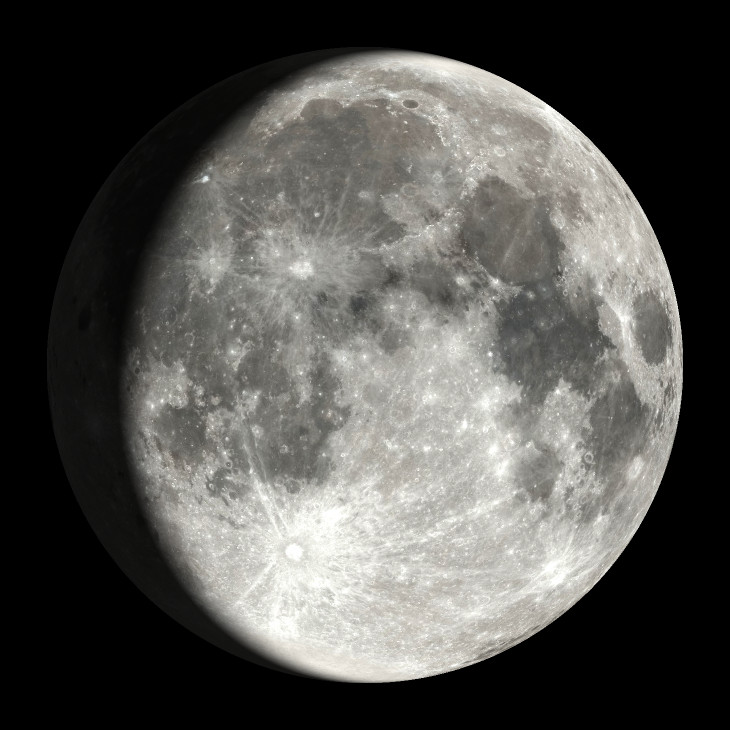
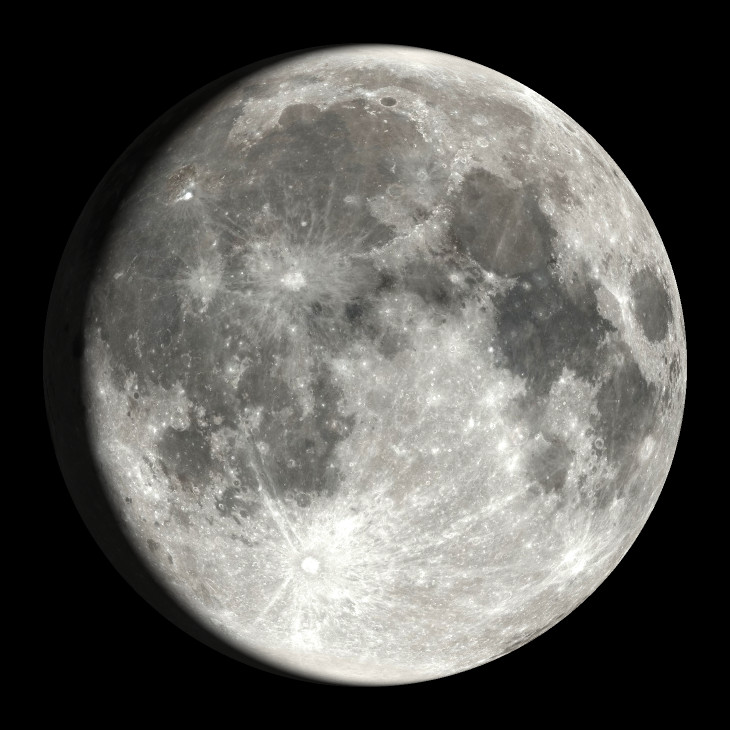
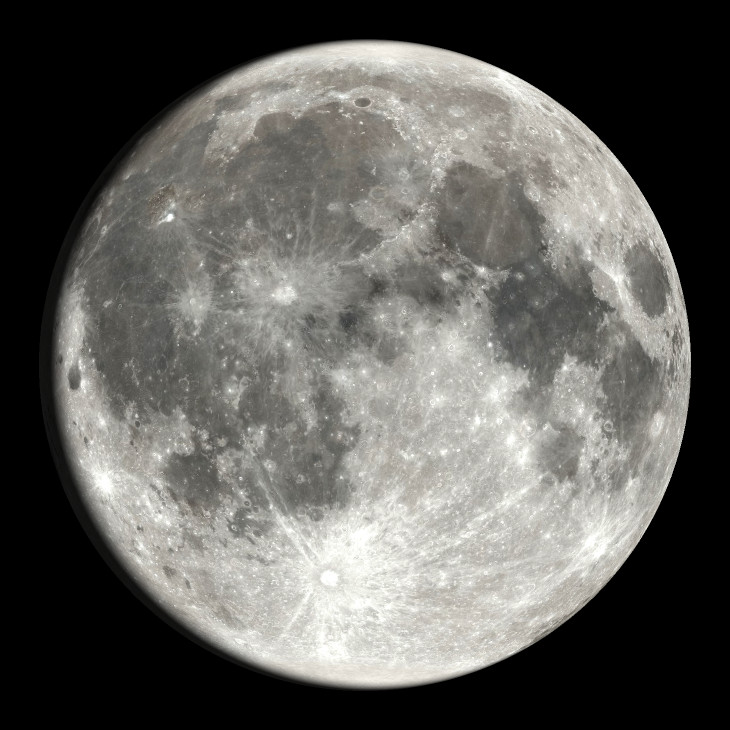
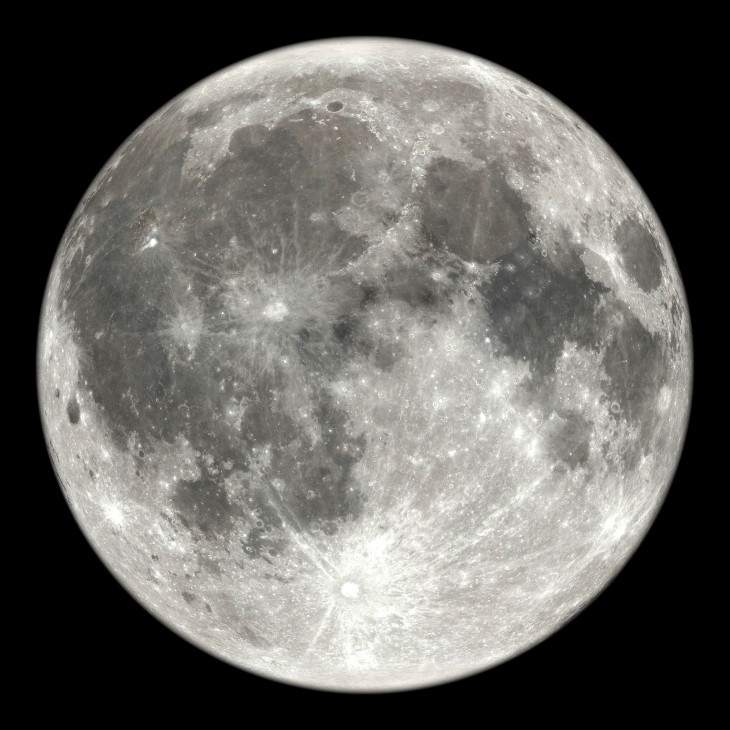
Daily portraits show the Moon at local noon, with north at the top. Main phase times mark the exact moment.
Select a Moon to see it up close. NASA SVS · Moon Lab / NASA LRO
When to look
Look on the night of December 1 into December 2: the Moon rises at 4:01 PM EST and sets at 7:42 AM EST. The exact Full Moon is at 8:41 PM EST that night. You don’t need to catch that minute: the Moon looks full all night.
December 1 → December 2 · New York
Follow the curve to see how high the Moon will be and which way to look. Choose a time on the chart or use the slider.
Height above the horizon
Look toward the east. The Moon is climbing higher in the sky.
Moonrise: December 1, 4:01 PM EST. Moonset: December 2, 7:42 AM EST.
Sunset 4:29 PM EST · Sunrise 7:02 AM EST · Near the horizon, the Moon can look warmer in color.
When to look
Look on the night of December 31 into January 1: the Moon rises at 4:46 PM EST and sets at 8:01 AM EST. The exact Full Moon is at 11:50 AM EST that same day, while the Moon is below the horizon. The Moon still looks full all night.
December 31 → January 1 · New York
Follow the curve to see how high the Moon will be and which way to look. Choose a time on the chart or use the slider.
Height above the horizon
Look toward the east. The Moon is climbing higher in the sky.
Moonrise: December 31, 4:46 PM EST. Moonset: January 1, 8:01 AM EST.
Sunset 4:38 PM EST · Sunrise 7:19 AM EST · Near the horizon, the Moon can look warmer in color.
Around December 9, the Moon appears half-lit. Its illuminated part then diminishes toward New Moon on December 15.
Around December 23, the Moon appears half-lit. It then grows brighter on its way to Full Moon on December 31.
| City | Phase local time | Moonrise | Moonset | Timezone |
|---|---|---|---|---|
| New York, US | December 1, 2028, at 8:41 PM EST | 4:01 PM EST | 6:43 AM EST | America/New_York |
| Los Angeles, US | December 1, 2028, at 5:41 PM PST | 4:25 PM PST | 6:26 AM PST | America/Los_Angeles |
| London, GB | December 2, 2028, at 1:41 AM GMT | 3:55 PM GMT | 8:25 AM GMT | Europe/London |
| Toronto, CA | December 1, 2028, at 8:41 PM EST | 4:12 PM EST | 7:16 AM EST | America/Toronto |
| Sydney, AU | December 2, 2028, at 12:41 PM AEDT | 8:13 PM AEDT | 5:14 AM AEDT | Australia/Sydney |
| City | Phase local time | Moonrise | Moonset | Timezone |
|---|---|---|---|---|
| New York, US | December 15, 2028, at 9:07 PM EST | 6:53 AM EST | 4:03 PM EST | America/New_York |
| Los Angeles, US | December 15, 2028, at 6:07 PM PST | 6:35 AM PST | 4:29 PM PST | America/Los_Angeles |
| London, GB | December 16, 2028, at 2:07 AM GMT | 8:34 AM GMT | 4:07 PM GMT | Europe/London |
| Toronto, CA | December 15, 2028, at 9:07 PM EST | 7:27 AM EST | 4:13 PM EST | America/Toronto |
| Sydney, AU | December 16, 2028, at 1:07 PM AEDT | 5:18 AM AEDT | 8:19 PM AEDT | Australia/Sydney |
| City | Phase local time | Moonrise | Moonset | Timezone |
|---|---|---|---|---|
| New York, US | December 31, 2028, at 11:50 AM EST | 4:46 PM EST | 7:16 AM EST | America/New_York |
| Los Angeles, US | December 31, 2028, at 8:50 AM PST | 5:11 PM PST | 6:59 AM PST | America/Los_Angeles |
| London, GB | December 31, 2028, at 4:50 PM GMT | 3:50 PM GMT | 7:59 AM GMT | Europe/London |
| Toronto, CA | December 31, 2028, at 11:50 AM EST | 4:58 PM EST | 7:49 AM EST | America/Toronto |
| Sydney, AU | January 1, 2029, at 3:50 AM AEDT | 8:38 PM AEDT | 5:55 AM AEDT | Australia/Sydney |
No. The phase has an exact time, but the Moon’s shape changes gradually. Near a quarter, it looks half-lit for about a day on either side, and a crescent grows or shrinks only a little from one night to the next.
The Full Moon happens at one moment worldwide, but local clocks put it on different dates. For example, the Full Moon of December 1 in New York falls on December 2 in Sydney.
In New York time, December has two Full Moons: the first, on December 1, is traditionally called the Cold Moon; the second, on December 31, is called a Blue Moon. These names come from North American tradition and follow Northern Hemisphere seasons, so in the Southern Hemisphere they don’t match the season.