Moon phase today
New YorkUnited States
Current moon phase
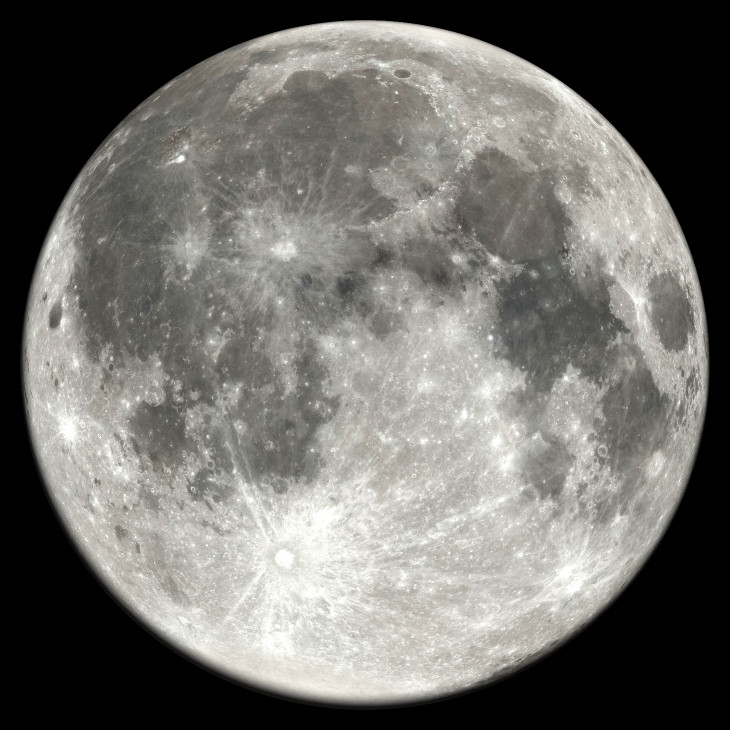
64.9% illuminated•Waxing
Most of the disk is bright and the lit part is still growing toward Full Moon.
 Moon Lab · NASA/LRO · 2026-11-19 00:00 UTC
November 18 · New York
Follow the curve to see how high the Moon is and which way to look. Choose a time on the chart or use the slider.
Height above the horizon
Look toward the south. The Moon is sinking toward the horizon.
The Moon is up now and sets tomorrow at 12:59 AM EST.
Near the horizon, the Moon can look warmer in color.
Full Moon
The Moon rises at 4:15 PM EST and sets at 8:21 AM EST the next day. The exact Full Moon is at 9:55 AM EST that same day, while the Moon is below the horizon.
November 24 → November 25 · New York
Follow the curve to see how high the Moon will be and which way to look. Choose a time on the chart or use the slider.
Height above the horizon
Look toward the east. The Moon is climbing higher in the sky.
Moonrise: November 24, 4:15 PM EST. Moonset: November 25, 8:21 AM EST.
Sunset 4:32 PM EST · Sunrise 6:54 AM EST · Near the horizon, the Moon can look warmer in color.
Today the Moon is a Waxing Gibbous in New York: 64.9% lit and still growing. The next main phase is Full Moon on November 24 at 9:55 AM EST.
The Moon is in the same phase for everyone at the same moment. In the Southern Hemisphere, though, the view is flipped compared with the north: a waxing Moon is lit on the left, not the right, and near the equator the lit side is closer to the bottom. Phase dates and times also depend on the time zone, so the same Full Moon can fall on different dates in different cities.
The Moon moves along its orbit in the same direction Earth turns, so each day Earth has to turn a little further to bring it back above the horizon. On average, the Moon rises about 50 minutes later each day, but the delay varies with the season and latitude, from roughly half an hour to more than an hour.
Yes, often, and most easily near the quarters. At First Quarter the Moon usually rises around midday and shines in the afternoon sky; at Last Quarter it usually sets around midday, so look for it in the morning. Near New Moon it is too close to the Sun to see.