Moon phase calendar
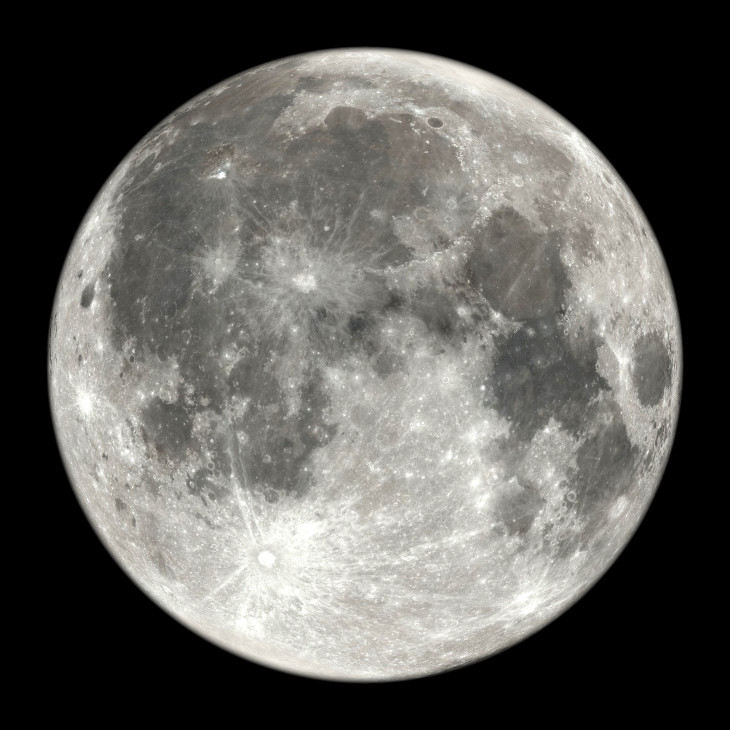
The Full Moon occurs on August 28, but the night to watch it starts the evening before, August 27.
New YorkUnited States
The Full Moon occurs on August 28, but the night to watch it starts the evening before, August 27.
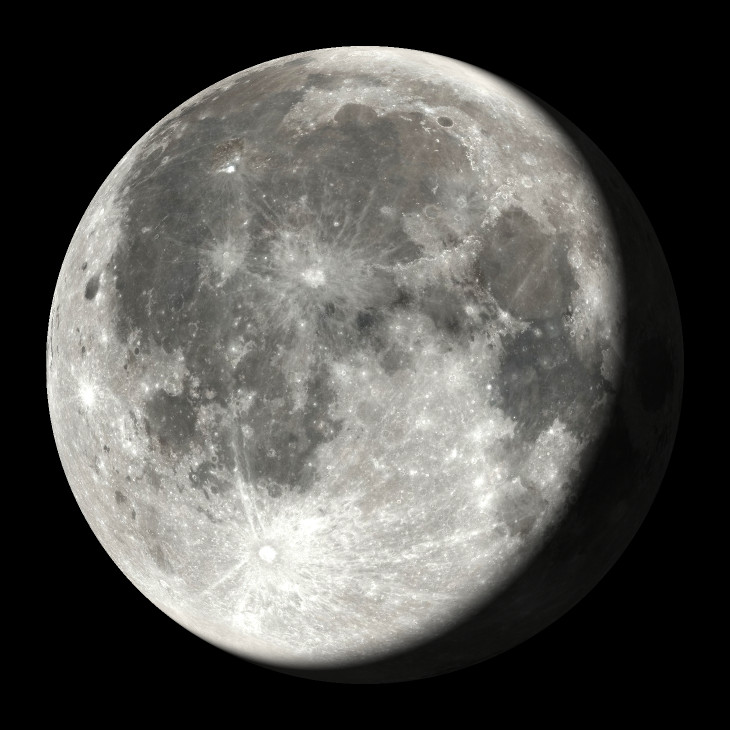
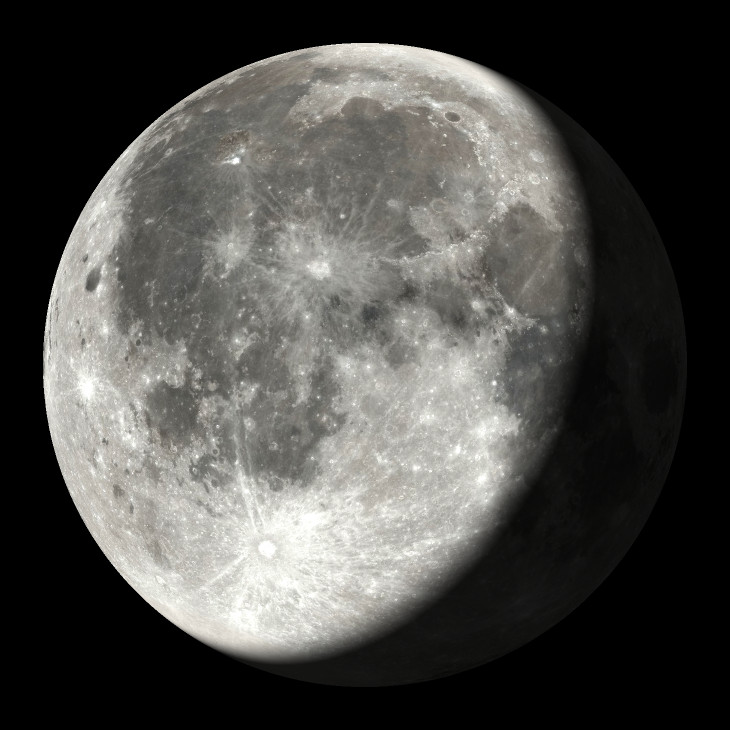
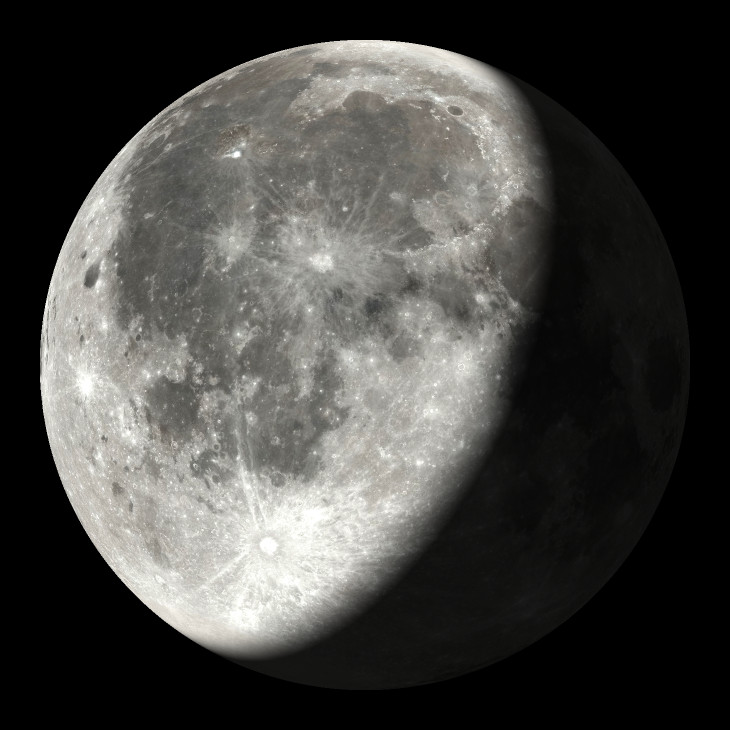
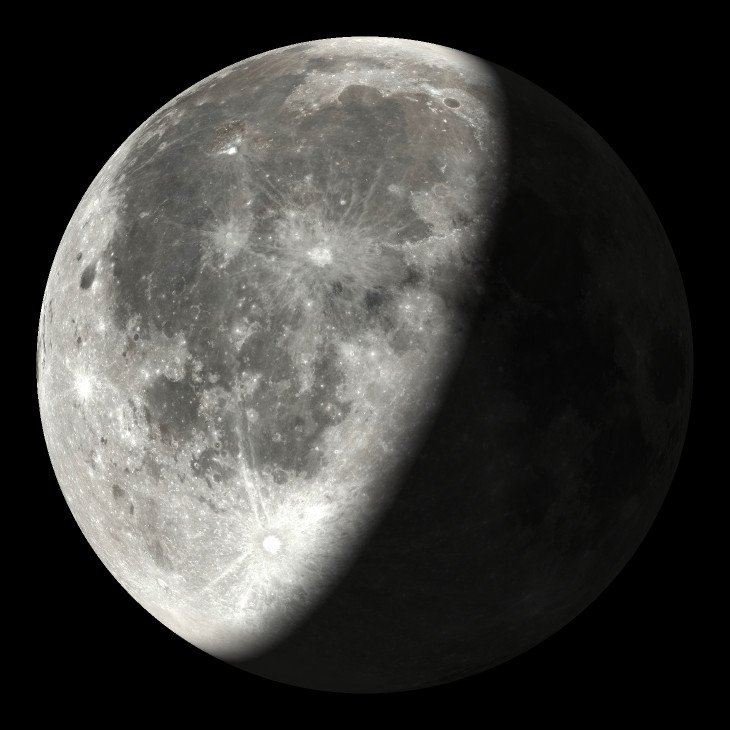
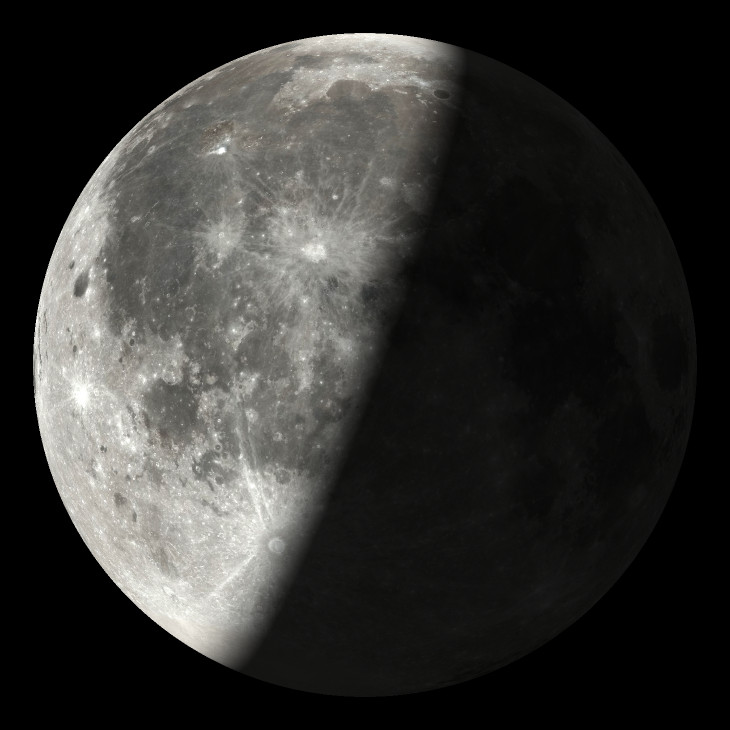
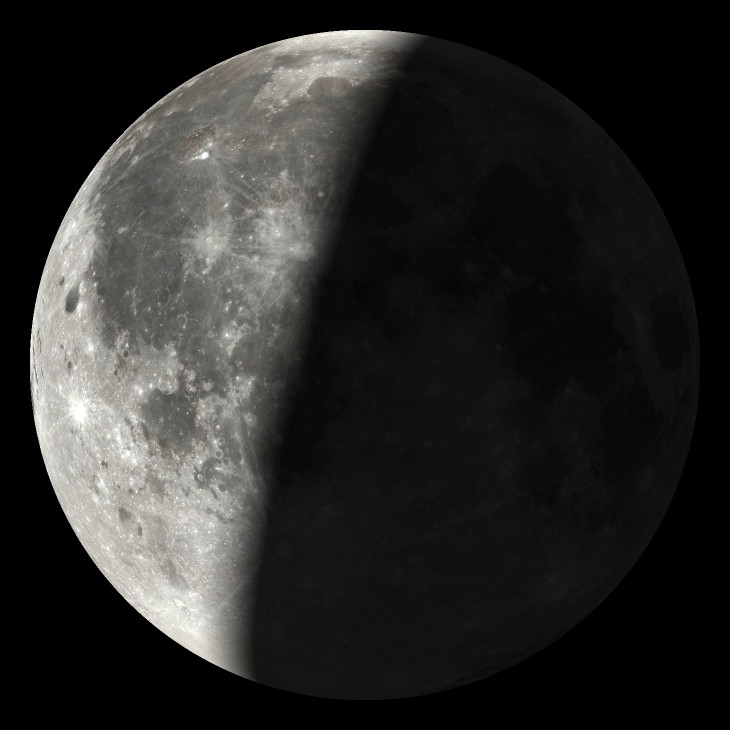
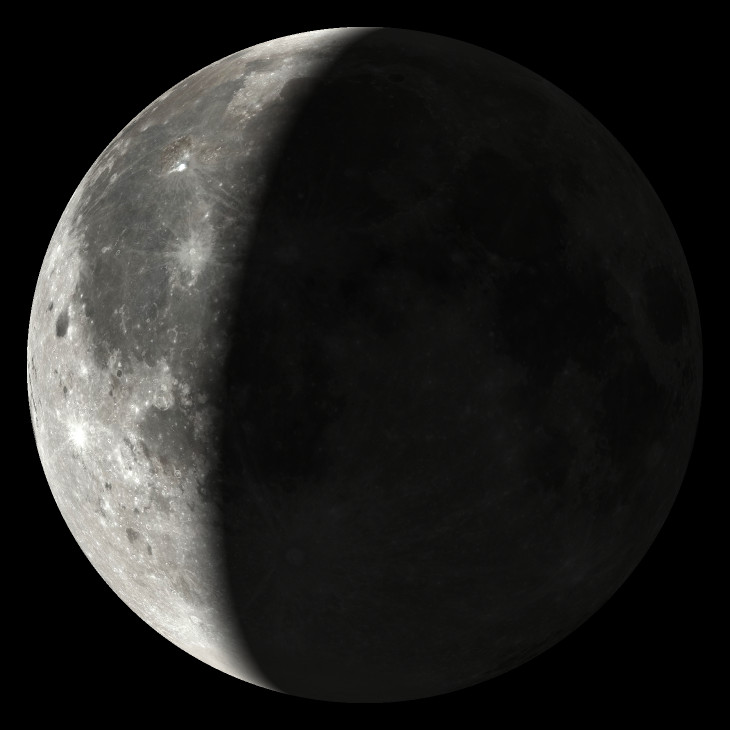
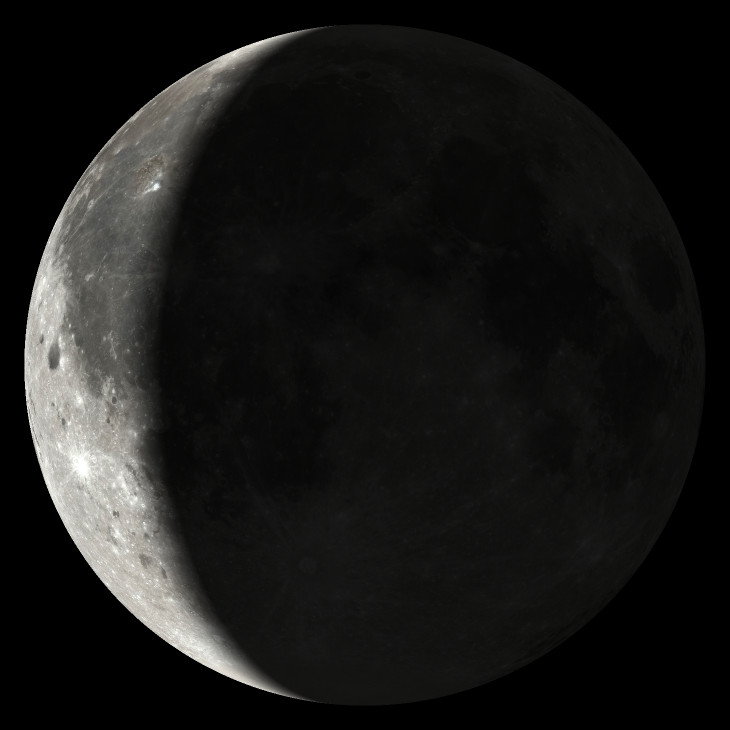
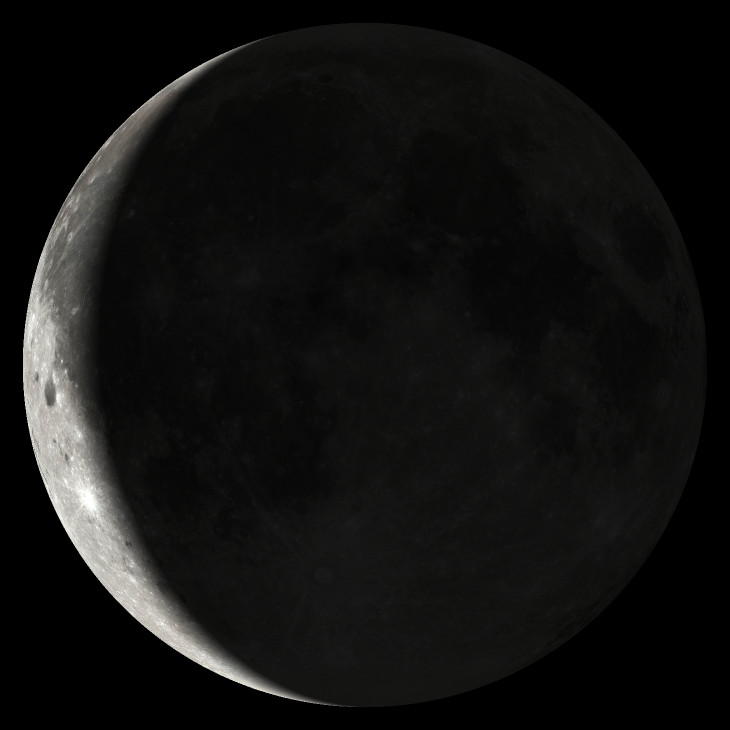
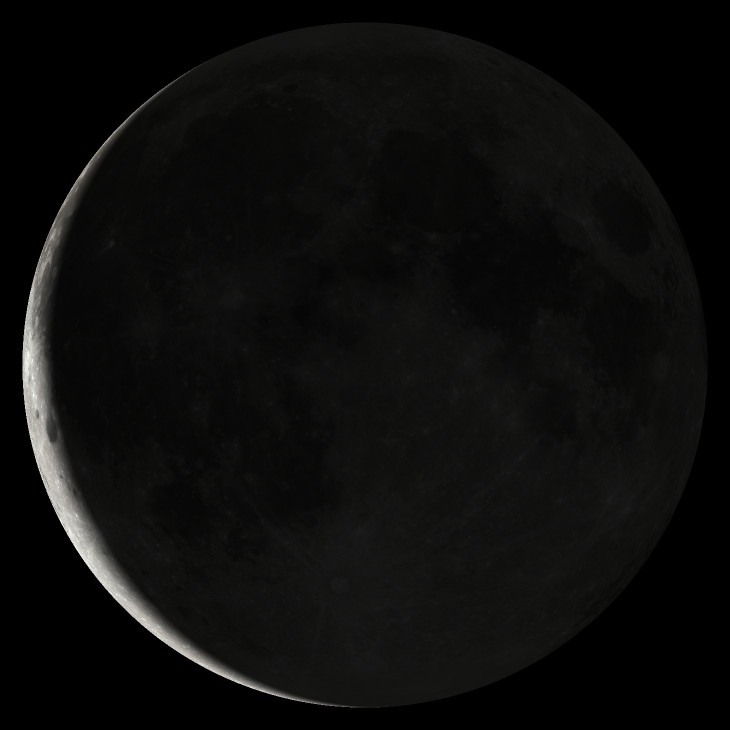
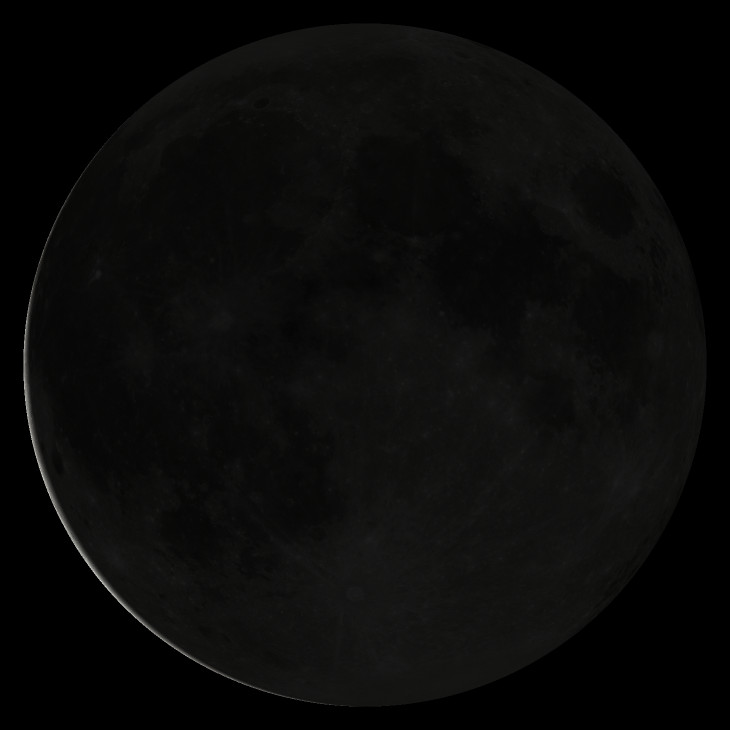
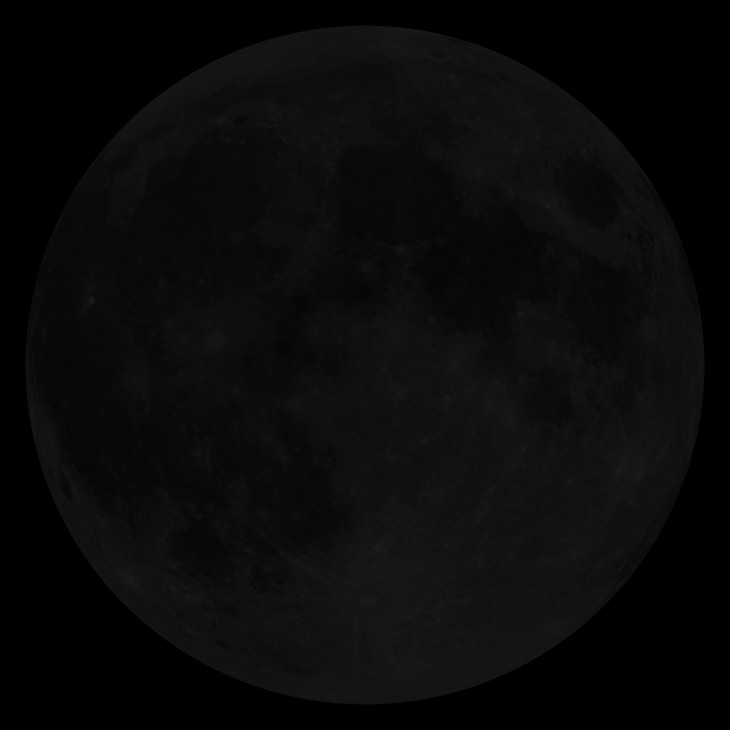
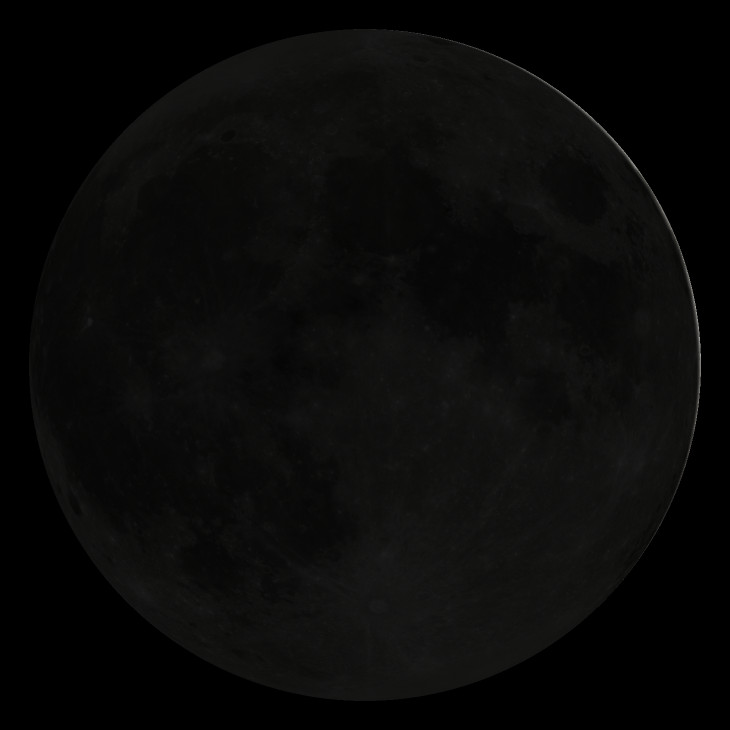
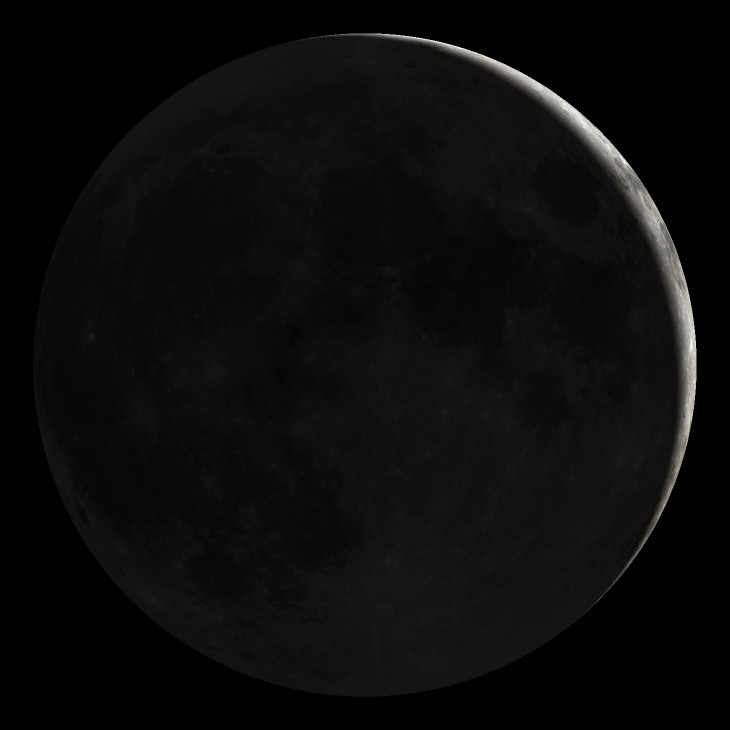
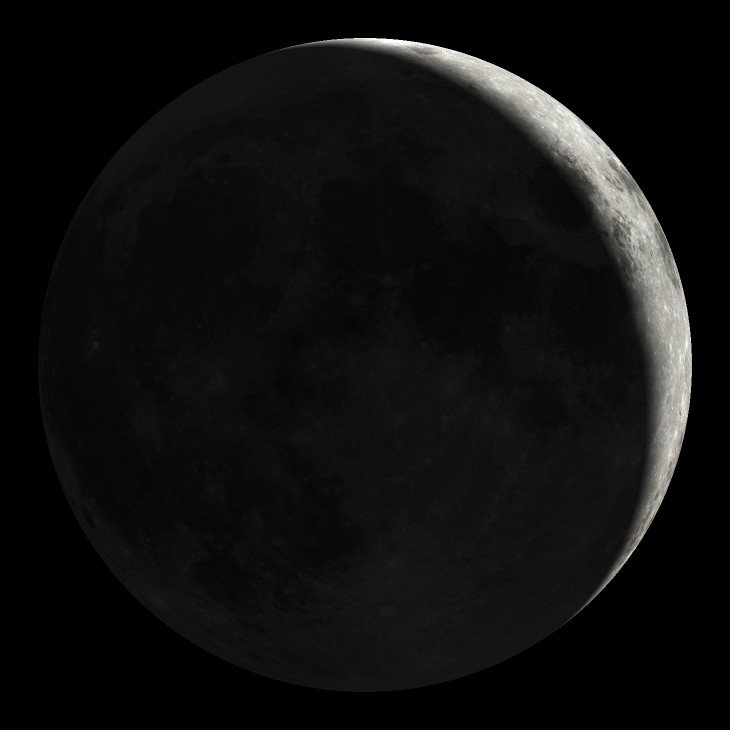
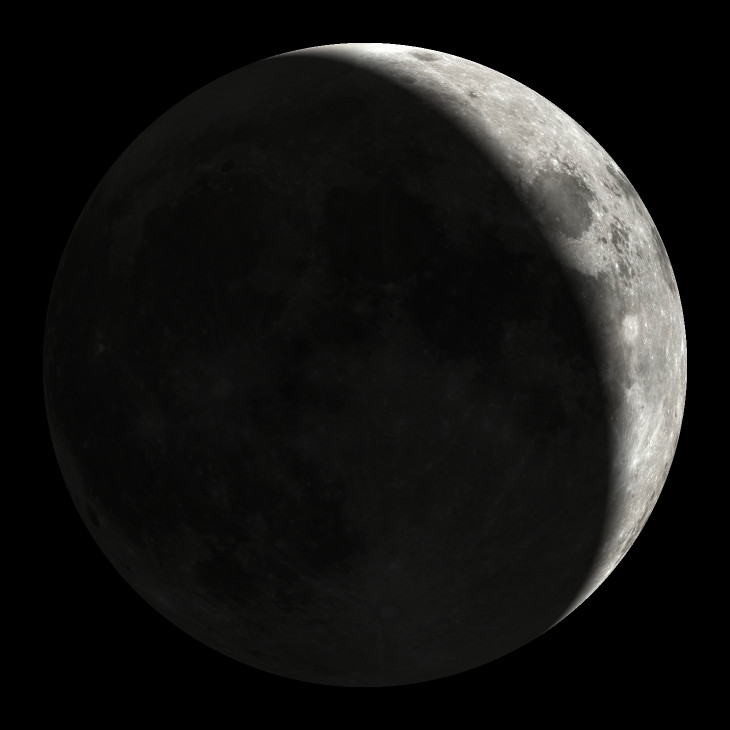
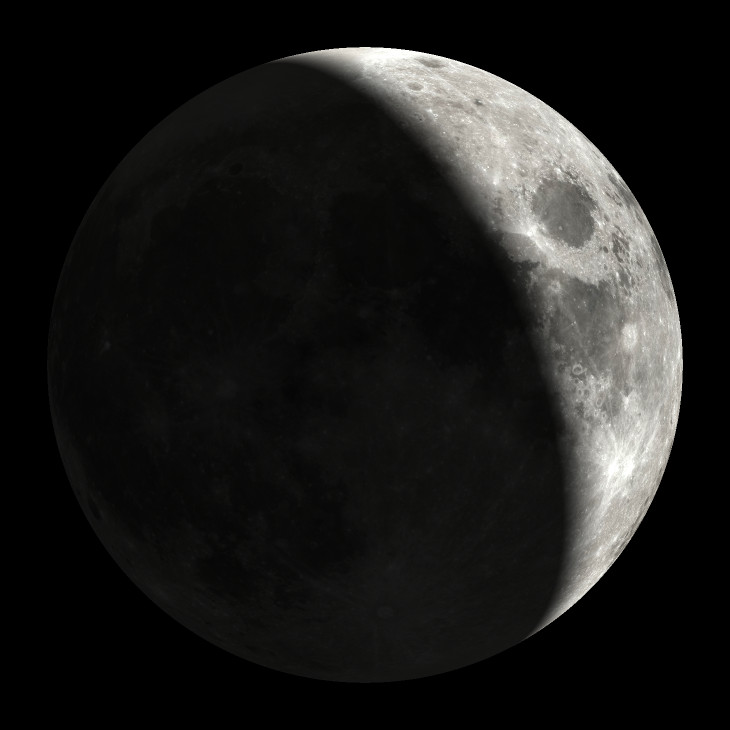
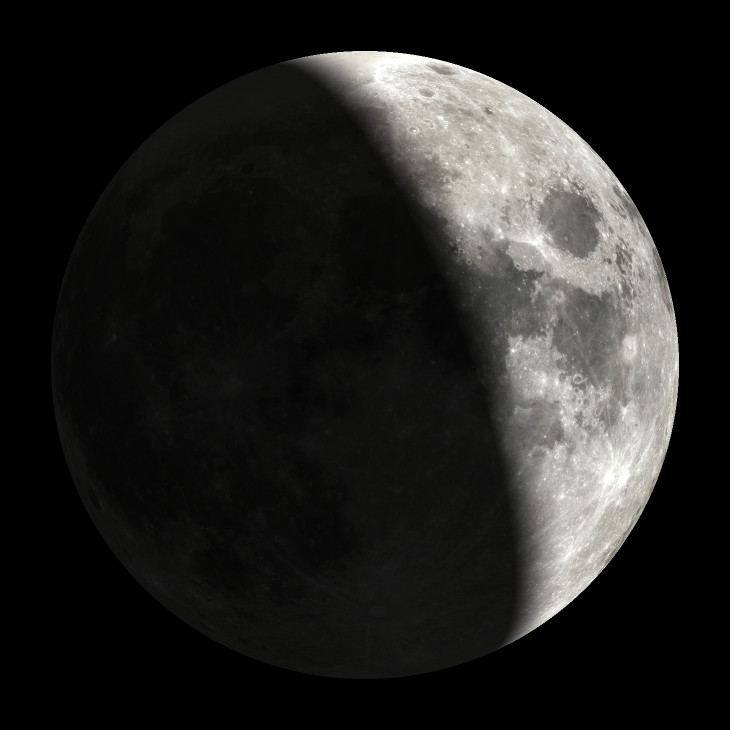
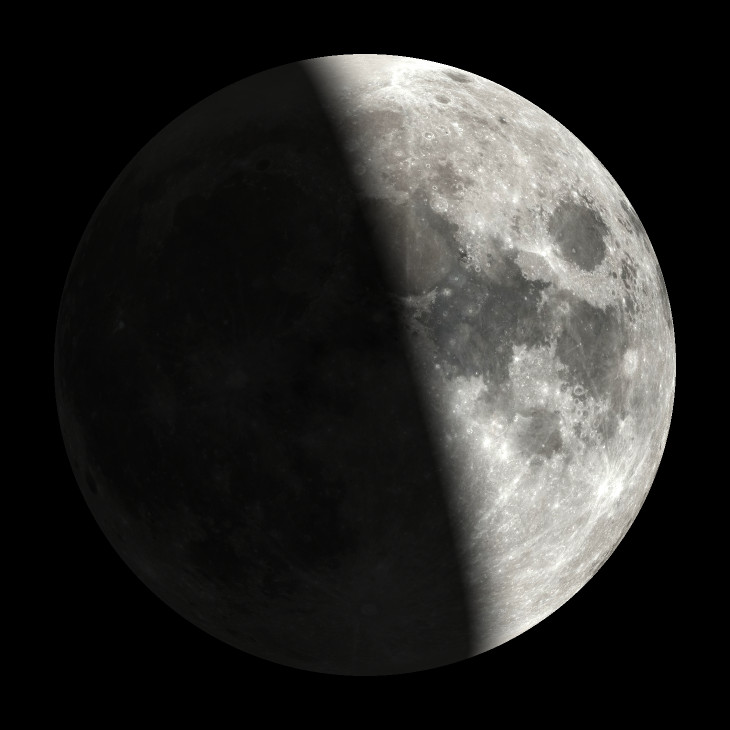
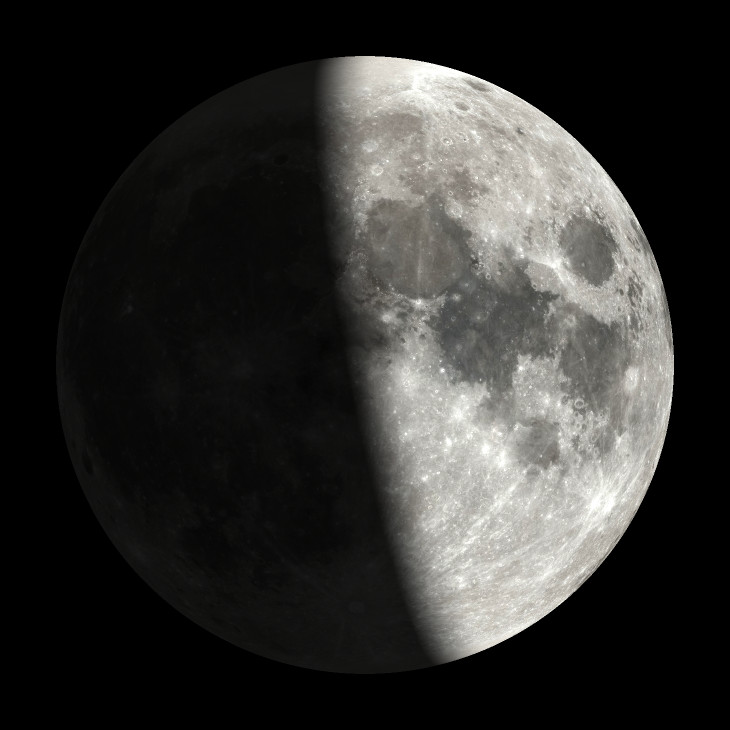
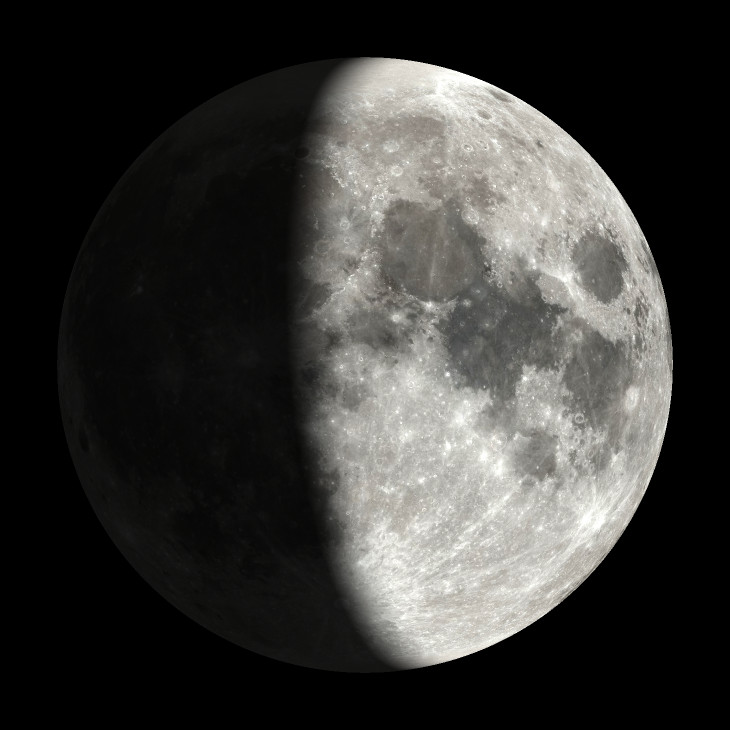
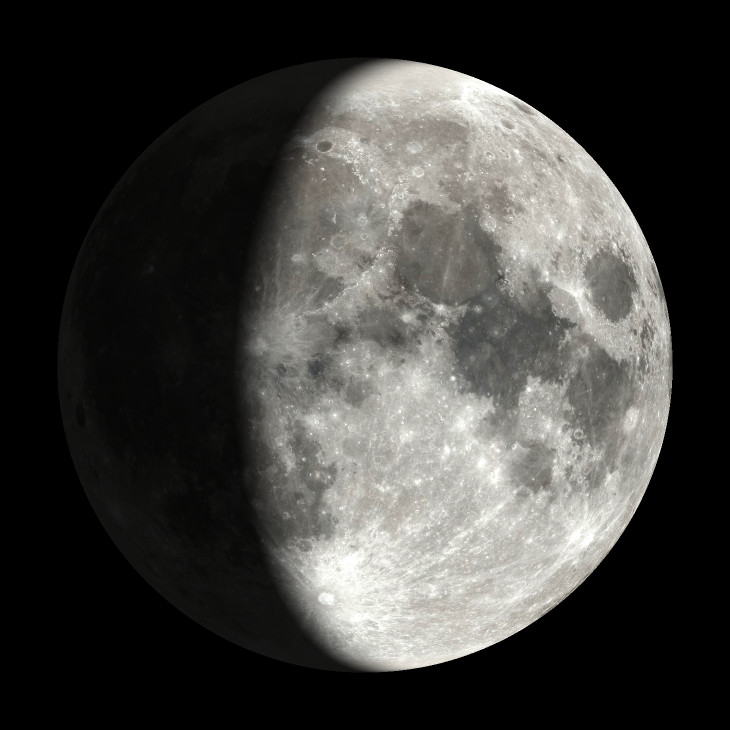
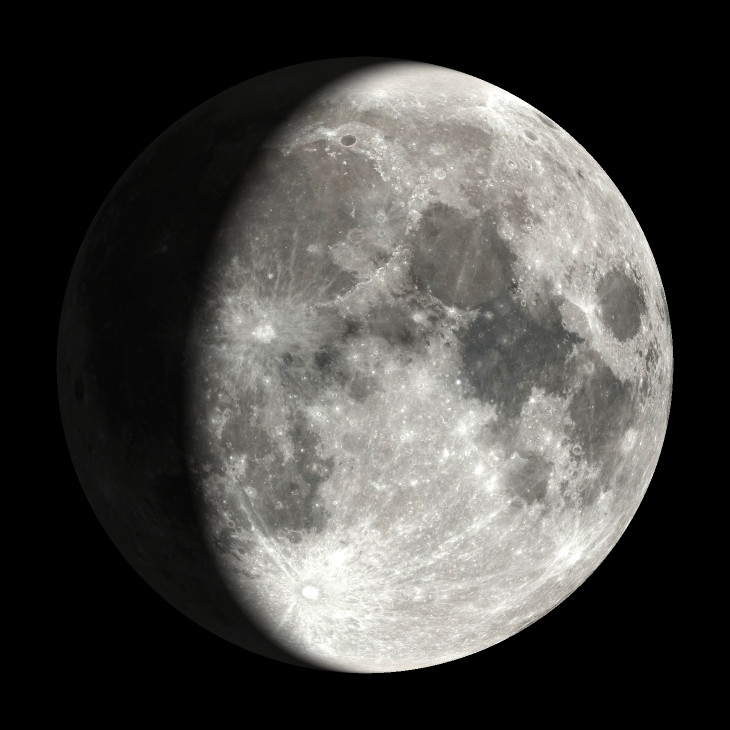
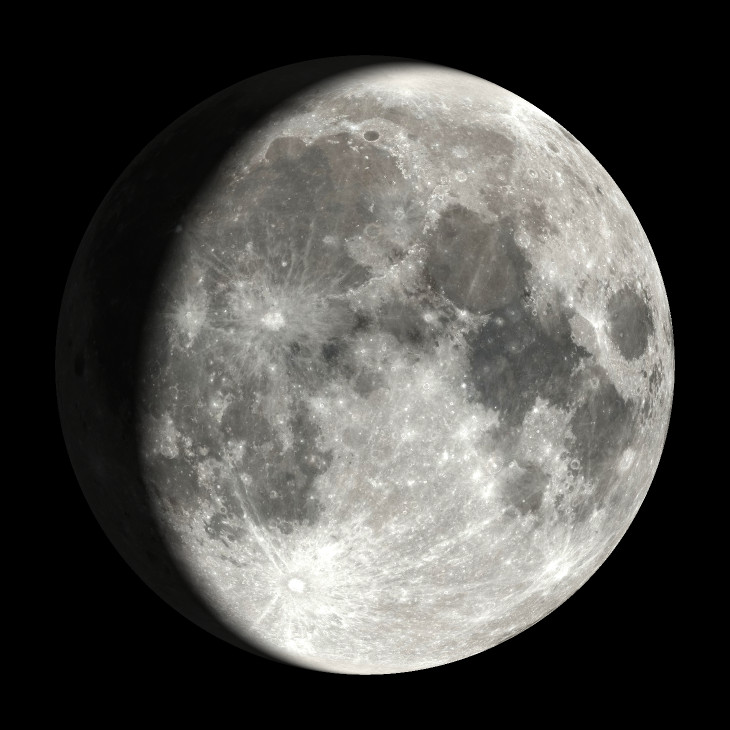
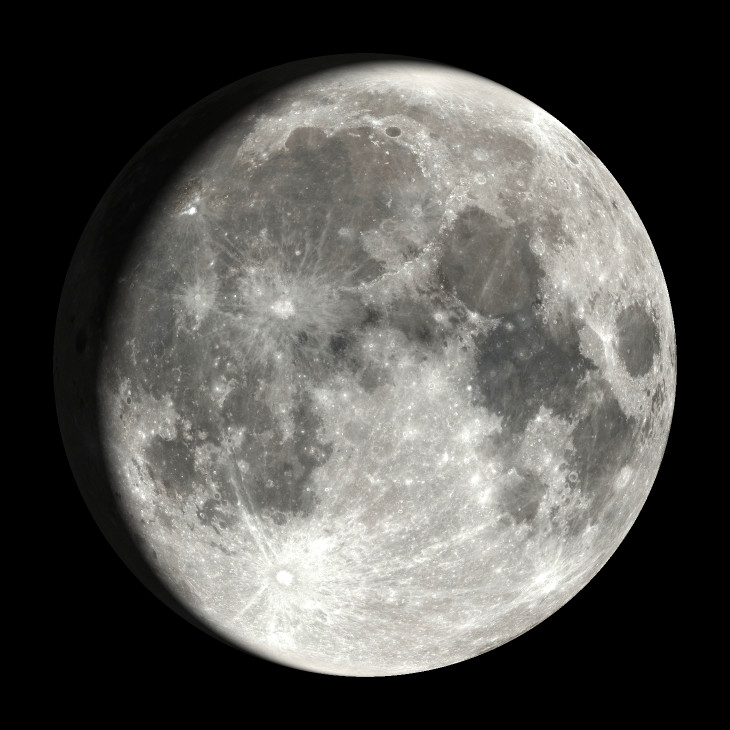
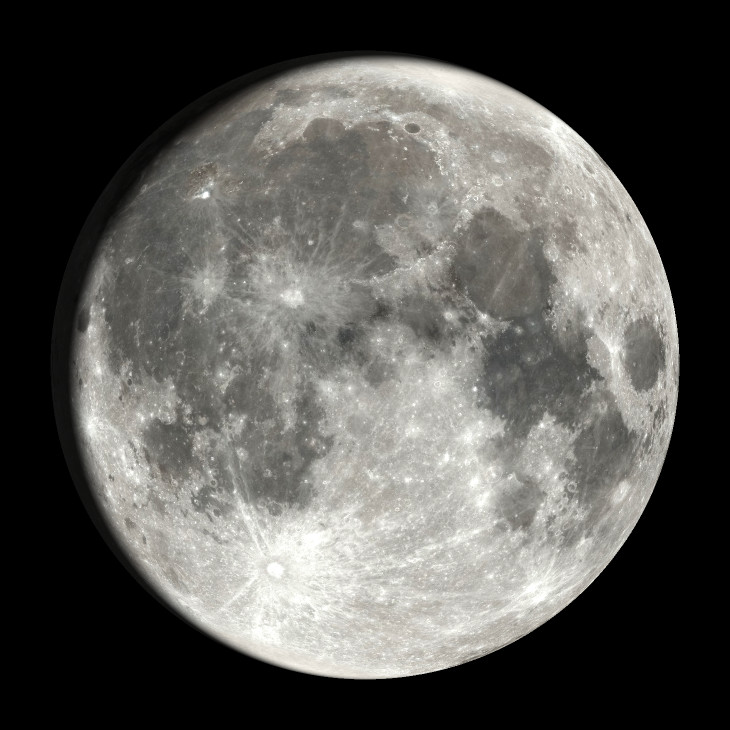
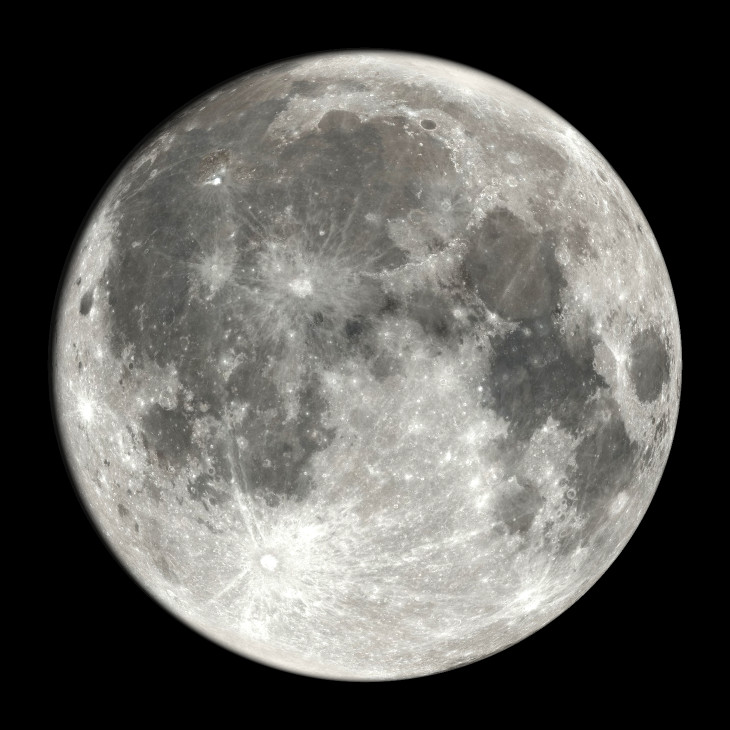
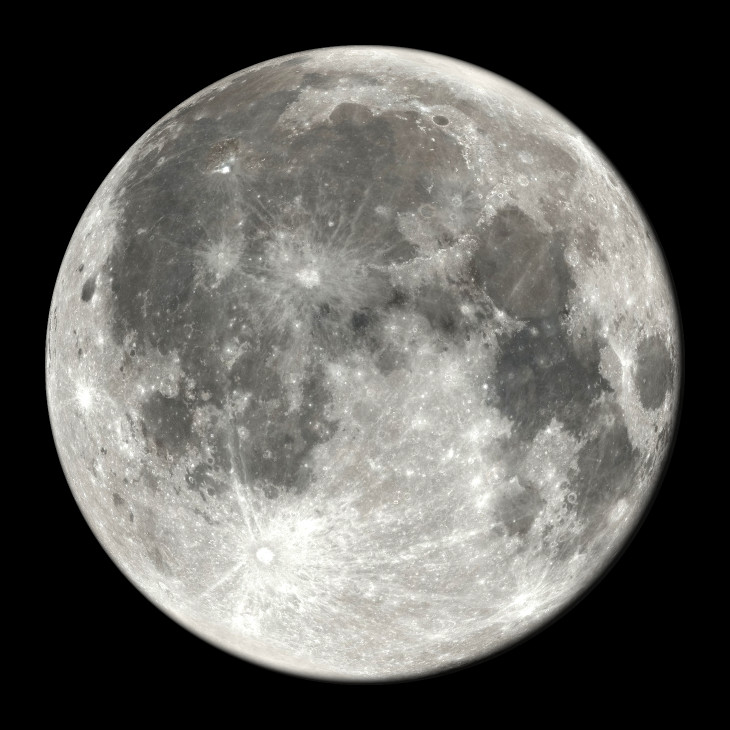
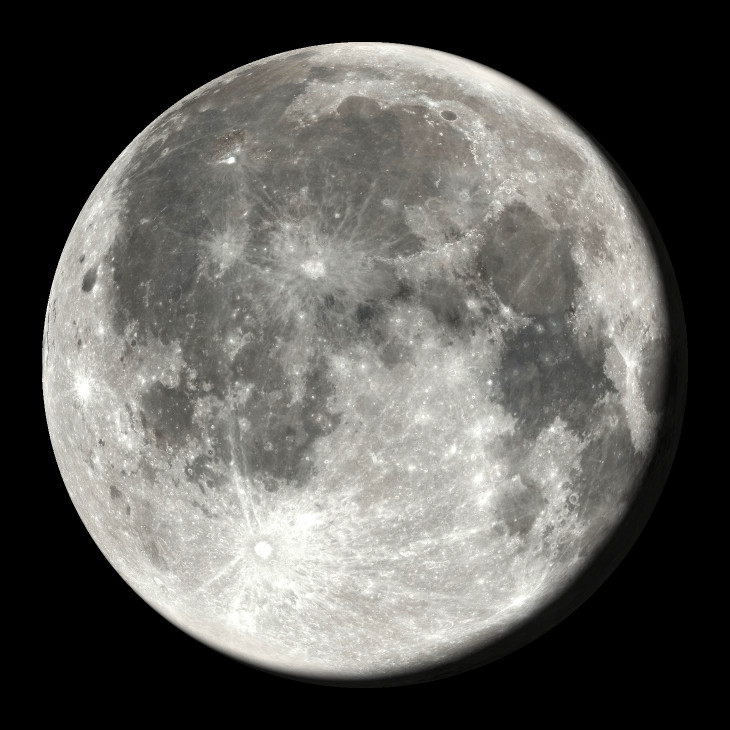
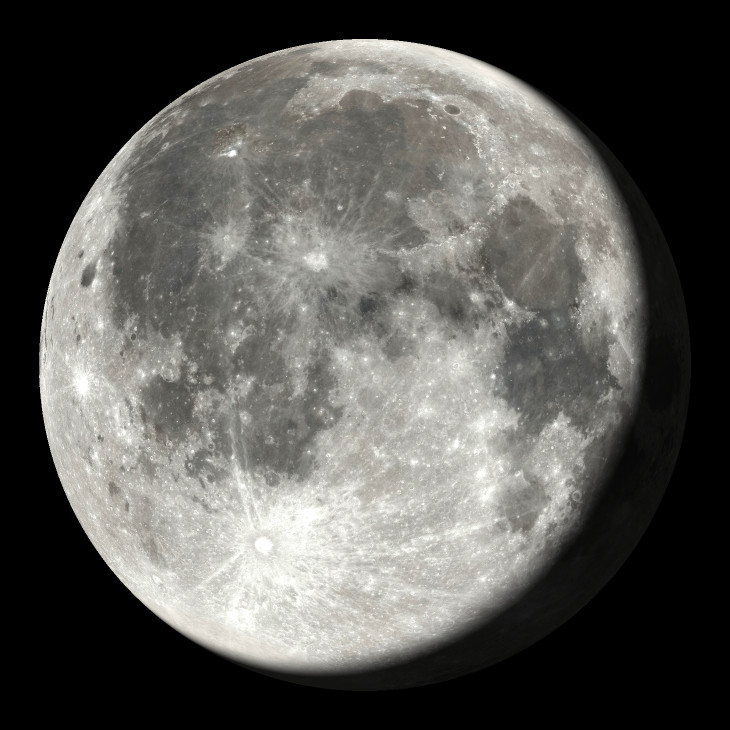
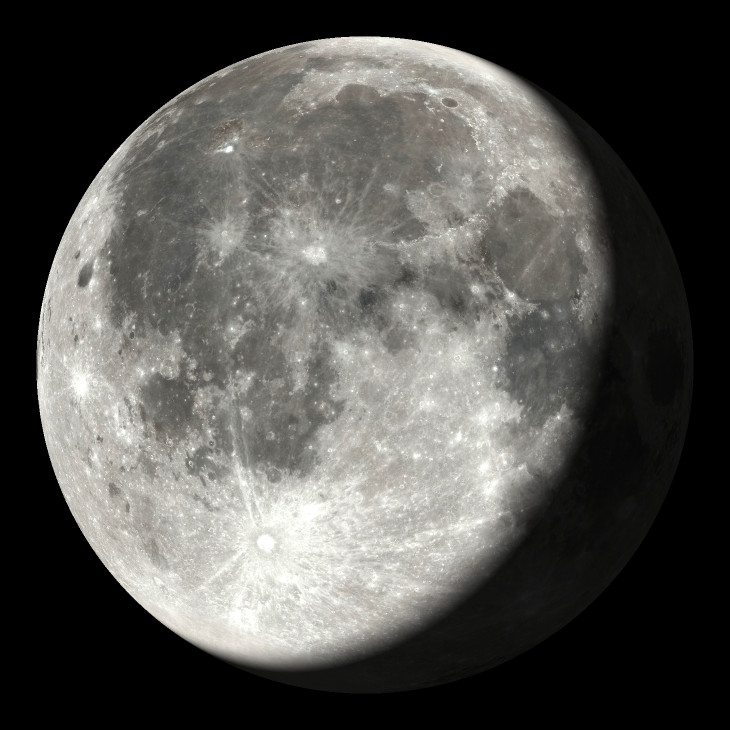
Daily portraits show the Moon at local noon, with north at the top. Main phase times mark the exact moment.
Select a Moon to see it up close. NASA SVS · Moon Lab / NASA LRO
When to look
Look on the night of August 27 into August 28: the Moon rises at 7:25 PM EDT and sets at 6:39 AM EDT. The exact Full Moon comes before sunrise on August 28, at 12:20 AM EDT. You don’t need to catch that minute: the Moon looks full all night.
August 27 → August 28 · New York
Follow the curve to see how high the Moon will be and which way to look. Choose a time on the chart or use the slider.
Height above the horizon
Look toward the southeast. The Moon is climbing higher in the sky.
Moonrise: August 27, 7:25 PM EDT. Moonset: August 28, 6:39 AM EDT.
Sunset 7:36 PM EDT · Sunrise 6:19 AM EDT · Near the horizon, the Moon can look warmer in color.
Around August 5, the Moon appears half-lit. Its illuminated part then diminishes toward New Moon on August 12.
Around August 19, the Moon appears half-lit. It then grows brighter on its way to Full Moon on August 28.
| City | Phase local time | Moonrise | Moonset | Timezone |
|---|---|---|---|---|
| New York, US | August 12, 2026, at 1:38 PM EDT | 5:42 AM EDT | 8:04 PM EDT | America/New_York |
| Los Angeles, US | August 12, 2026, at 10:38 AM PDT | 6:03 AM PDT | 7:54 PM PDT | America/Los_Angeles |
| London, GB | August 12, 2026, at 6:38 PM BST | 4:56 AM BST | 8:29 PM BST | Europe/London |
| Toronto, CA | August 12, 2026, at 1:38 PM EDT | 5:58 AM EDT | 8:32 PM EDT | America/Toronto |
| Sydney, AU | August 13, 2026, at 3:38 AM AEST | 6:49 AM AEST | 5:57 PM AEST | Australia/Sydney |
| City | Phase local time | Moonrise | Moonset | Timezone |
|---|---|---|---|---|
| New York, US | August 28, 2026, at 12:20 AM EDT | 7:47 PM EDT | 6:39 AM EDT | America/New_York |
| Los Angeles, US | August 27, 2026, at 9:20 PM PDT | 7:17 PM PDT | 5:49 AM PDT | America/Los_Angeles |
| London, GB | August 28, 2026, at 5:20 AM BST | 7:56 PM BST | 6:15 AM BST | Europe/London |
| Toronto, CA | August 28, 2026, at 12:20 AM EDT | 8:10 PM EDT | 6:59 AM EDT | America/Toronto |
| Sydney, AU | August 28, 2026, at 2:20 PM AEST | 5:39 PM AEST | 6:11 AM AEST | Australia/Sydney |
No. The phase has an exact time, but the Moon’s shape changes gradually. Near a quarter, it looks half-lit for about a day on either side, and a crescent grows or shrinks only a little from one night to the next.
The Full Moon happens at one moment worldwide, but local clocks put it on different dates. For example, the Full Moon of August 28 in New York falls on August 27 in Los Angeles.
The Full Moon of August 28 is traditionally called the Sturgeon Moon. These names come from North American tradition and follow Northern Hemisphere seasons, so in the Southern Hemisphere they don’t match the season.